
Responsible to the environment
Less waste, strict protocols and transparency towards the community.
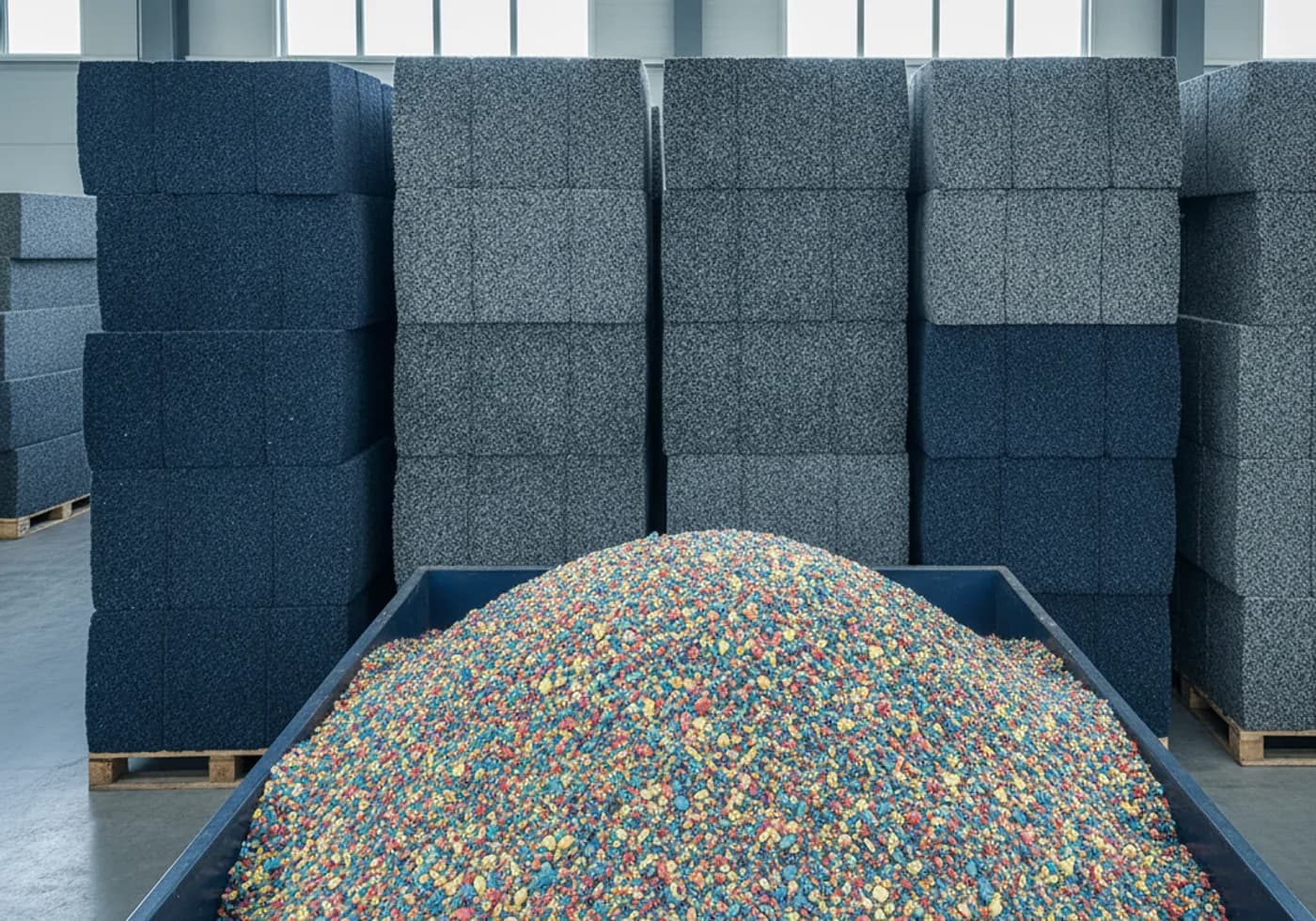
Rebond - foam's second life
Cutting a block always leaves offcuts - edges, trimmed contours, pieces that fit no order. They are not thrown away: they are shredded and pressed under pressure into high-density rebond foam.
Rebond is a material in its own right, not waste in different packaging. It is used for sports flooring, insulation layers and carpet underlay - wherever high density is needed and the look of the cut face does not matter. This is standard industry practice, not an experiment.
Water instead of CFCs
One chapter of this industry sounds unbelievable today: for decades chlorofluorocarbons (CFCs) were used as blowing agents. They were cheap, non-flammable and gave a fine cell - and were a principal cause of ozone layer damage.
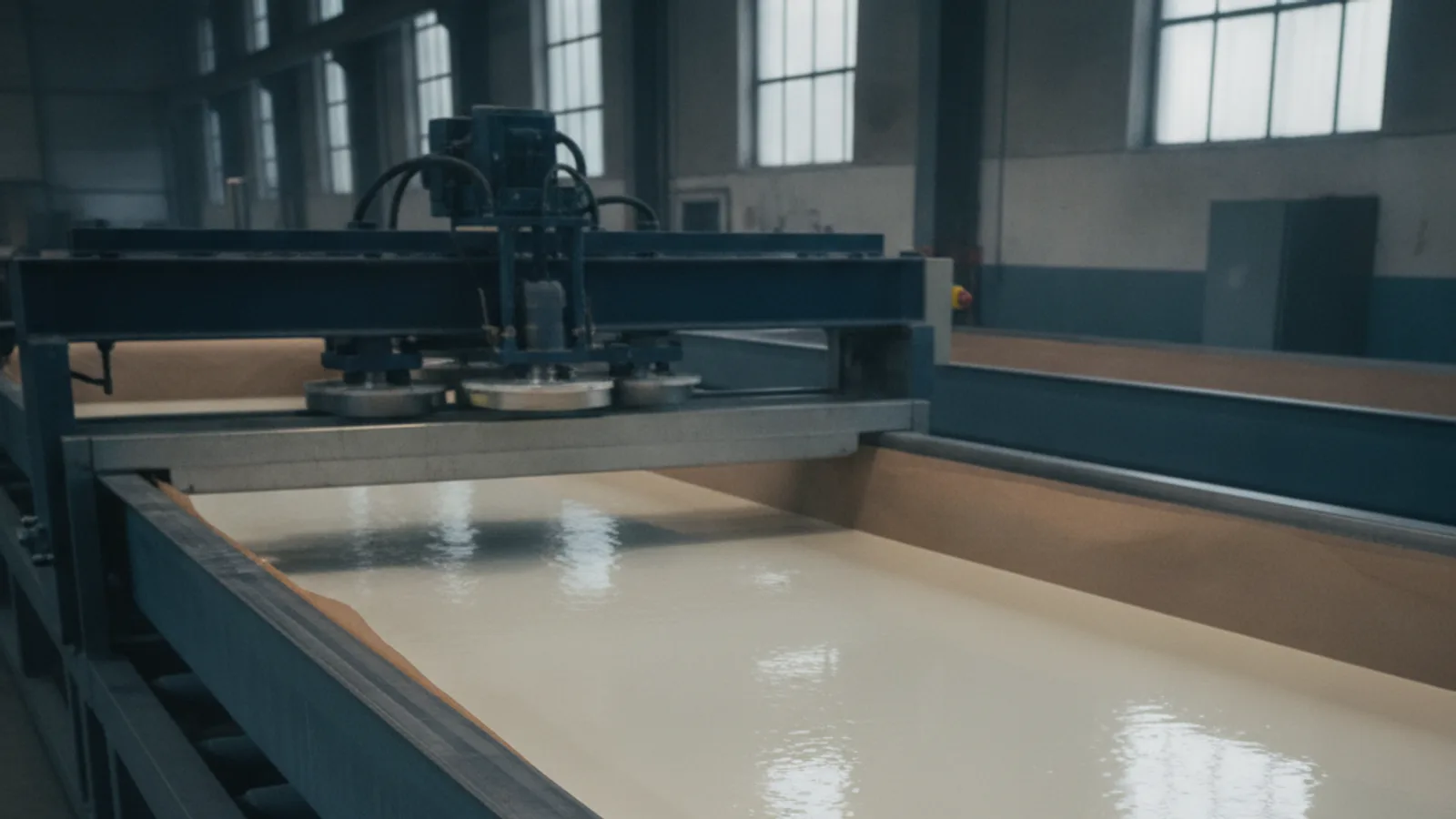
The 1987 Montreal Protocol began their phase-out and the industry had to rewrite its formulations. The answer was a return to basics: water as the main blowing agent. Water reacts with isocyanate and releases carbon dioxide that raises the block by itself - the gas is created in the reaction, not added from outside.
The overwhelming majority of today's flexible slab foam is water-blown. That is not our innovation but the industry standard - yet it is part of the story a customer rarely hears.
Less waste at cutting
The biggest contribution does not come from where it is most advertised. It comes from one understated decision: the block is cut to the customer's drawing rather than cut to size and then trimmed.
When a part is contour-cut to a template, the offcut is considerably smaller than when material is first cut roughly and then reworked. The effect is twofold - less waste here and less rework at the customer, who receives a finished part instead of a semi-product.
That is why cutting to size is not just a service but a material-saving measure.

Responsible TDI handling
An honest account of foam has to say this too: TDI (toluene diisocyanate) is a hazardous substance. It is volatile, irritates the airways and can cause sensitisation. It is absent from finished, fully reacted foam - but present in a plant where it is stored and dosed.
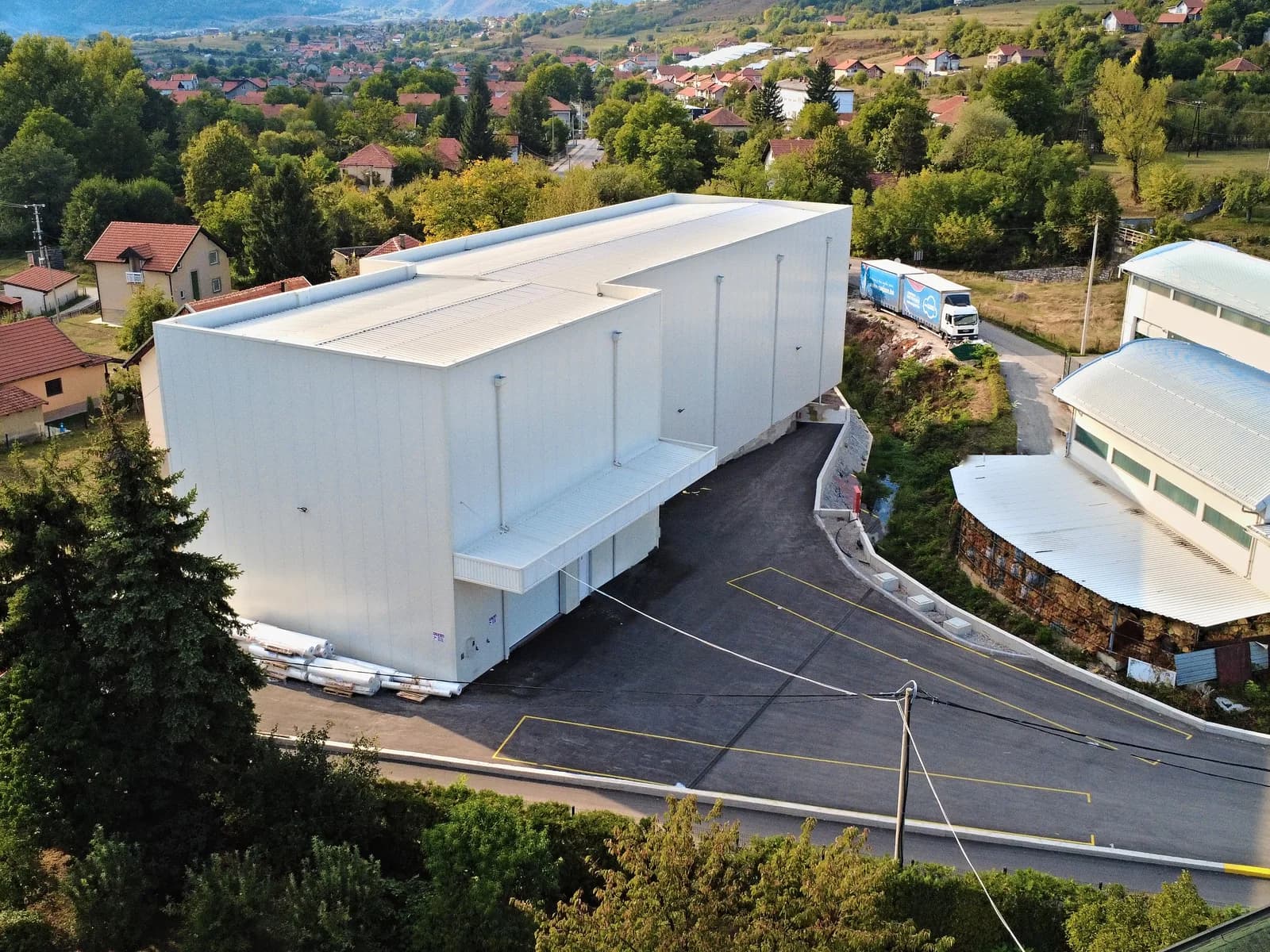
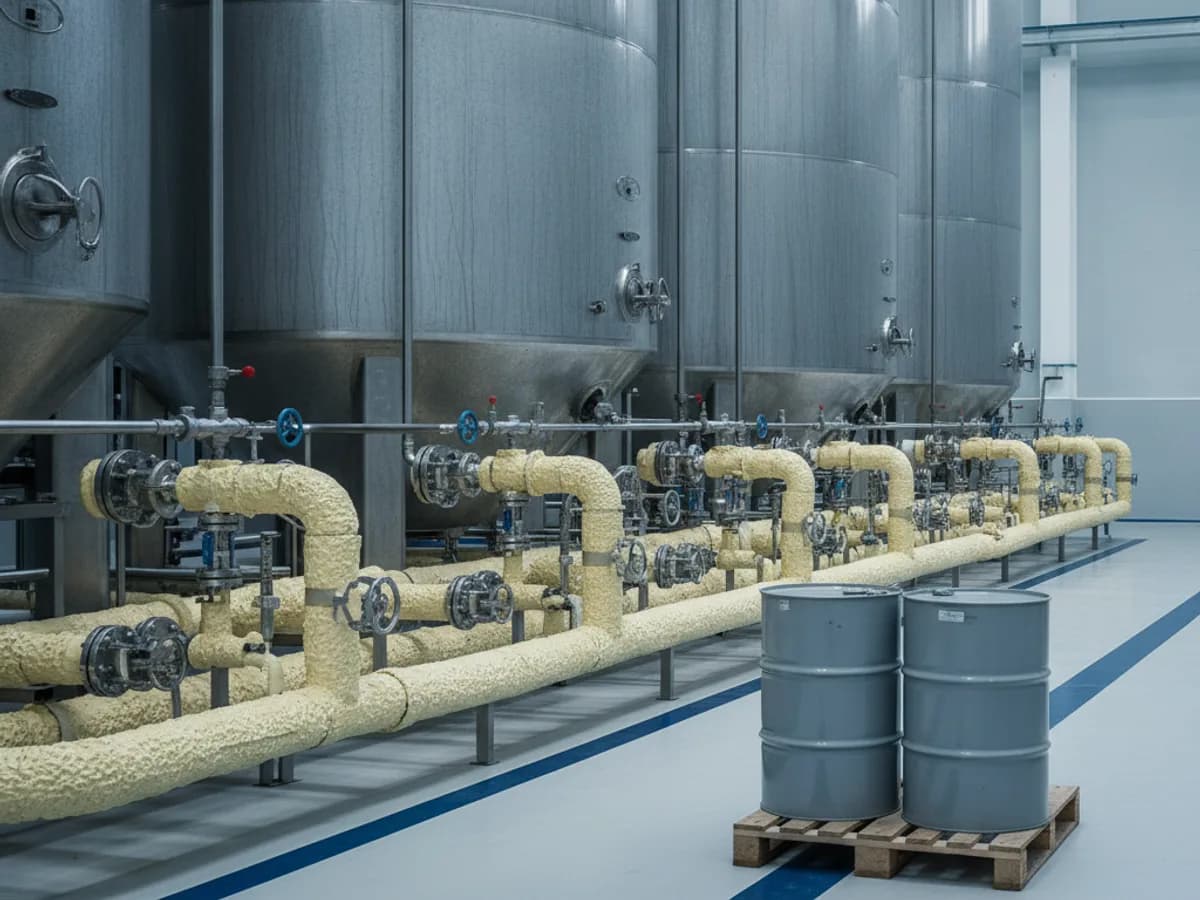
That is why facilities handling larger quantities of isocyanate fall under the EU Seveso directive, with prescribed procedures for storage, dosing and incident response. The Bjelavići plant operates under that regime: closed storage and dosing systems, trained staff and safety protocols.
This is not an addition to quality but its precondition - a process that is not safe is not stable either.
Environmental permits
in preparationA list of environmental permits and public safety information will be published once agreed with the competent institutions. Until then they are available on request.