
Flexible polyurethane foam manufacturing · Kakanj, BiH
The foam you need, we make it — we don't resell it.
Our own foaming line in Bjelavići near Kakanj: 28 foam grades with technical data, cutting to size and delivery across the region.
Why Plama-pur BH
28
foam grades in the range
Each with density, hardness and colour - the data comes from our own production.
18–40kg/m³
density range
From soft comfort layers to firm load-bearing cores.
4
markets in the region
Bosnia and Herzegovina · Croatia · Serbia · Slovenia
Application engineering
Send us your requirement and dimensions - we propose the grade and confirm it fits before you order.
Who we work for
Every industry needs a different foam
All applications →Density and hardness are not a matter of taste but of requirement: a seat, a mattress, an acoustic panel and a shoe insole need entirely different values. Pick your industry and see which grades apply.
Furniture & upholstery
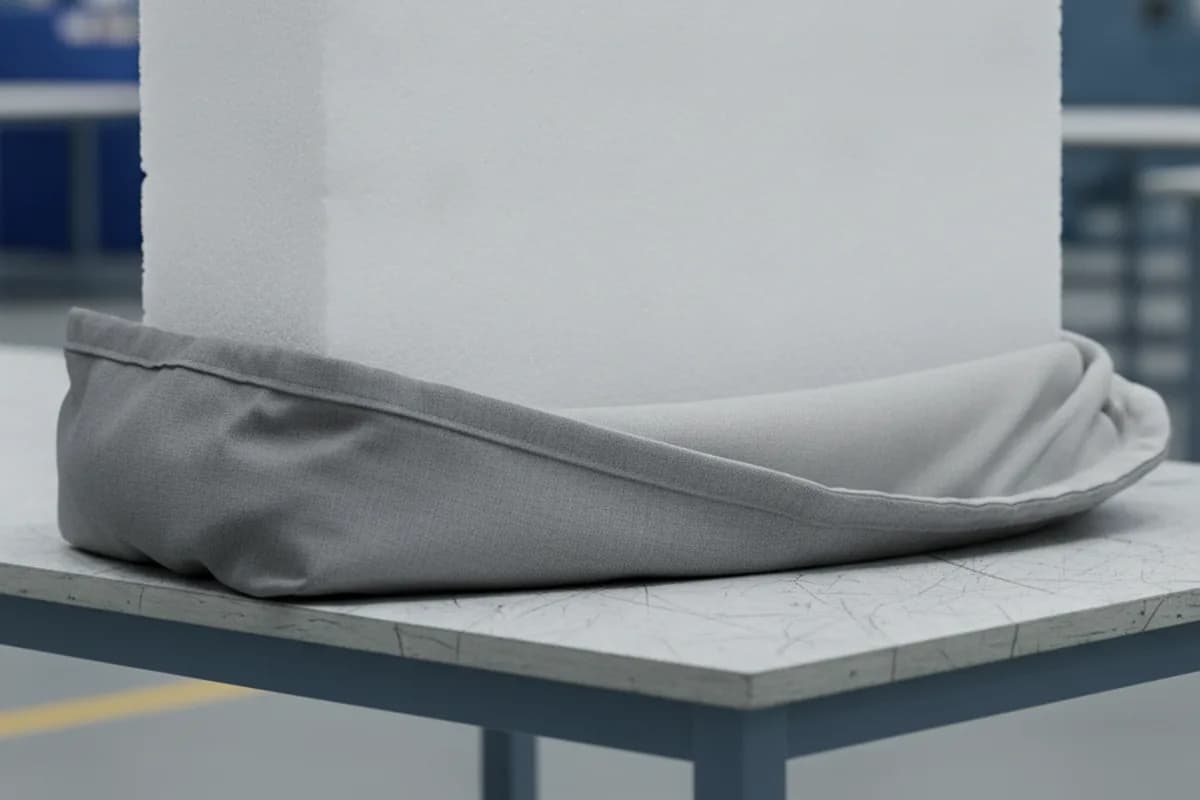
The largest part of our production: seats, backrests, armrests and mattresses.
Furniture & upholstery
Foams for seats, backrests and armrests - from standard PN grades to firm PT and high-resilience HR.
Grades: PN 2535 PLAVAPN 2538 SIVAPN 3038 ZELENA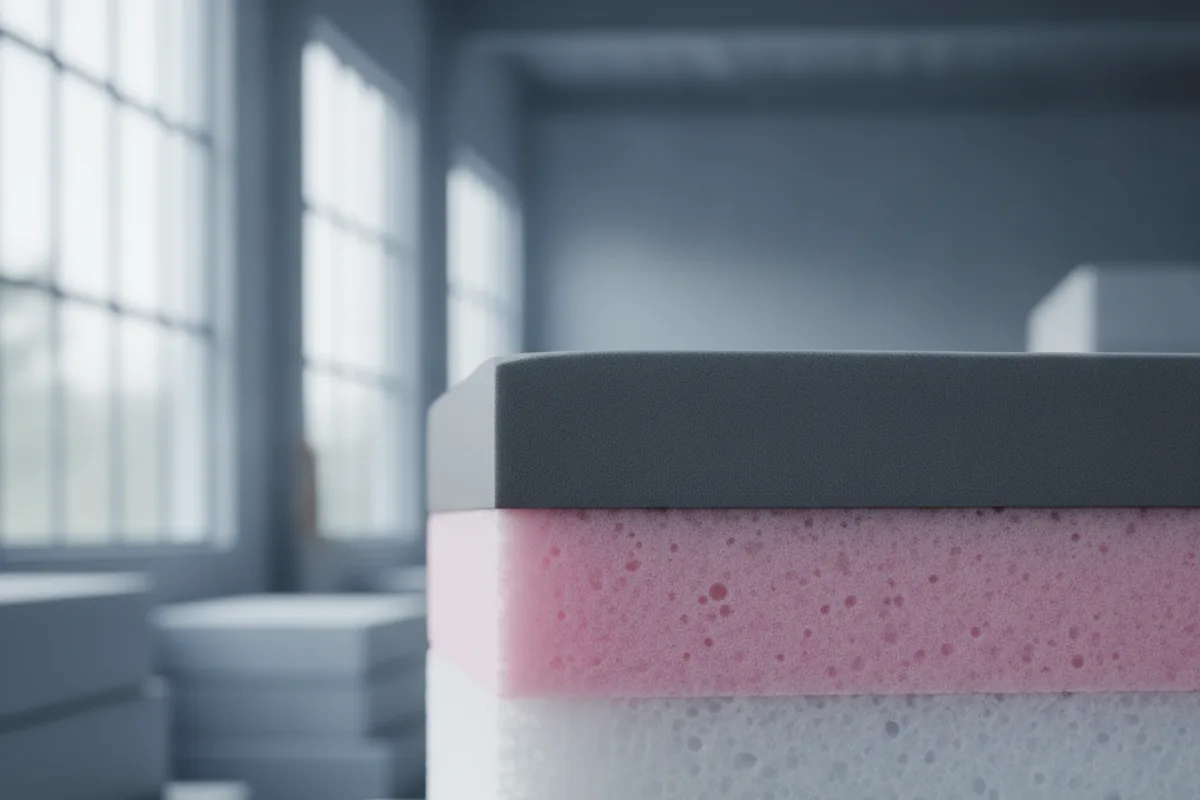
Mattresses & bedding
HR foams for superior comfort and breathability, with firm PT and PP grades for support layers.
Grades: HR 3028 SIVAHR 3535 BIJELAHR 3535 ROZASpecial applications
Foam goes far beyond furniture - acoustics and construction, panels, car seating, footwear and household.

Acoustics & construction
Profiled and flat foams for sound absorption - studios, industrial halls and construction fit-out.
Grades: PE 2125 BIJELAPE 2520 BIJELAPN 2130 CRVENA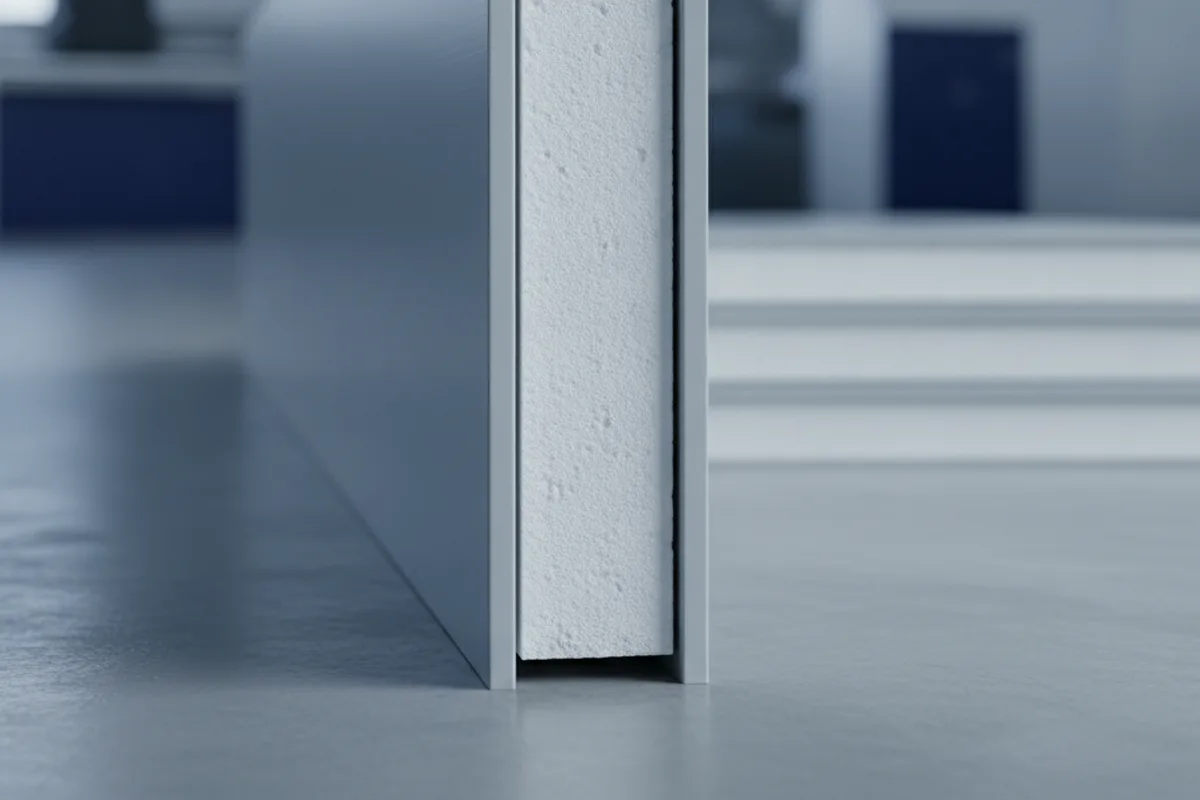
Thermal insulation & panels
Cores for sandwich panels in partition walls - light fill with stable dimensions.
Grades: PE 2520 BIJELAPE 2830 BIJELAPE 2125 BIJELA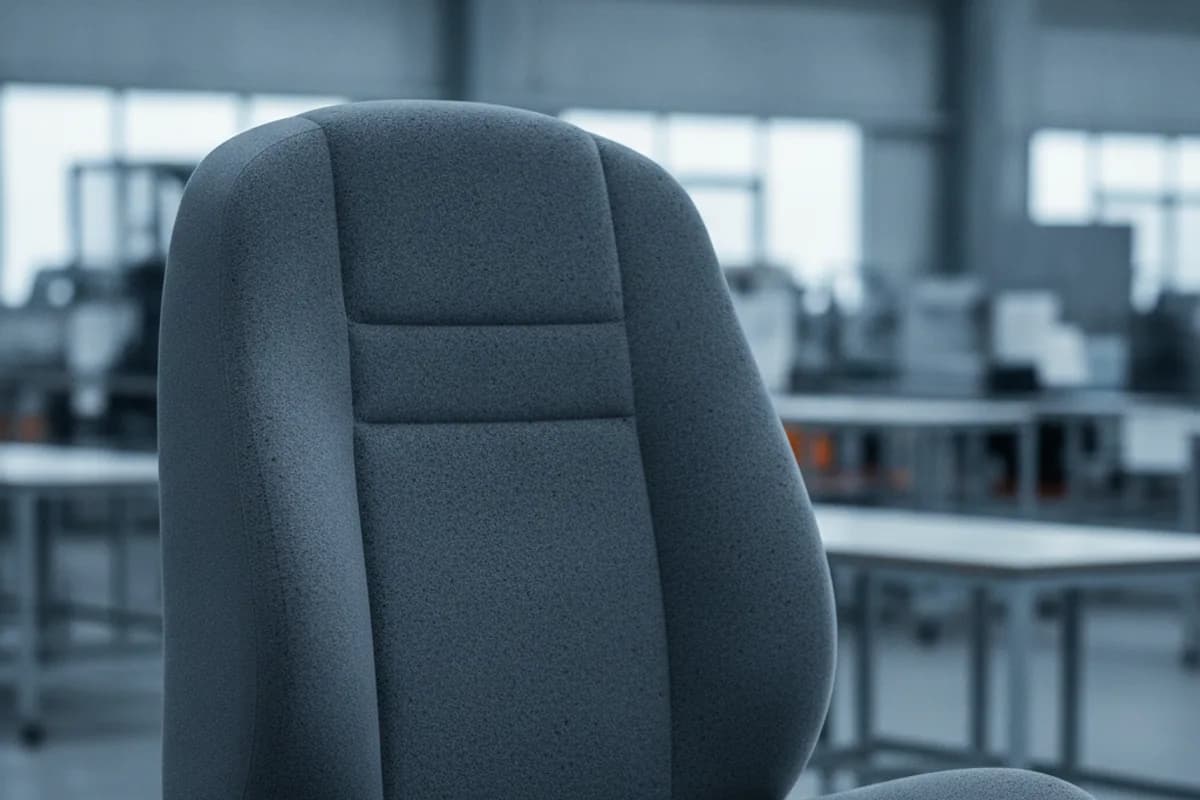
Automotive
High-resilience HR foams for seats, backrests and headrests - resilience that survives daily use.
Grades: HR 3535 BIJELAHR 3535 ROZAHR 3028 SIVA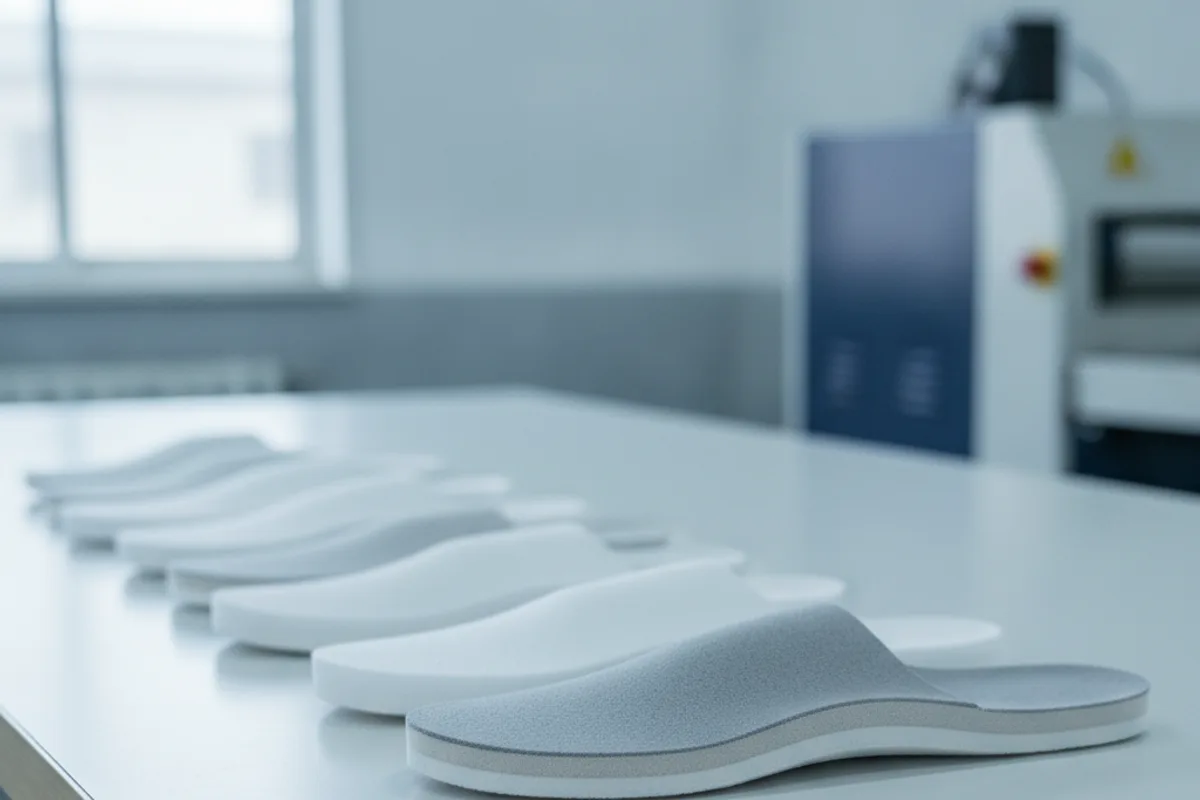
Footwear
Soft low-density grades for insoles, tongues and linings - lamination and contour cutting to template.
Grades: PT 1830 BIJELAPE 2125 BIJELAPN 2130 CRVENA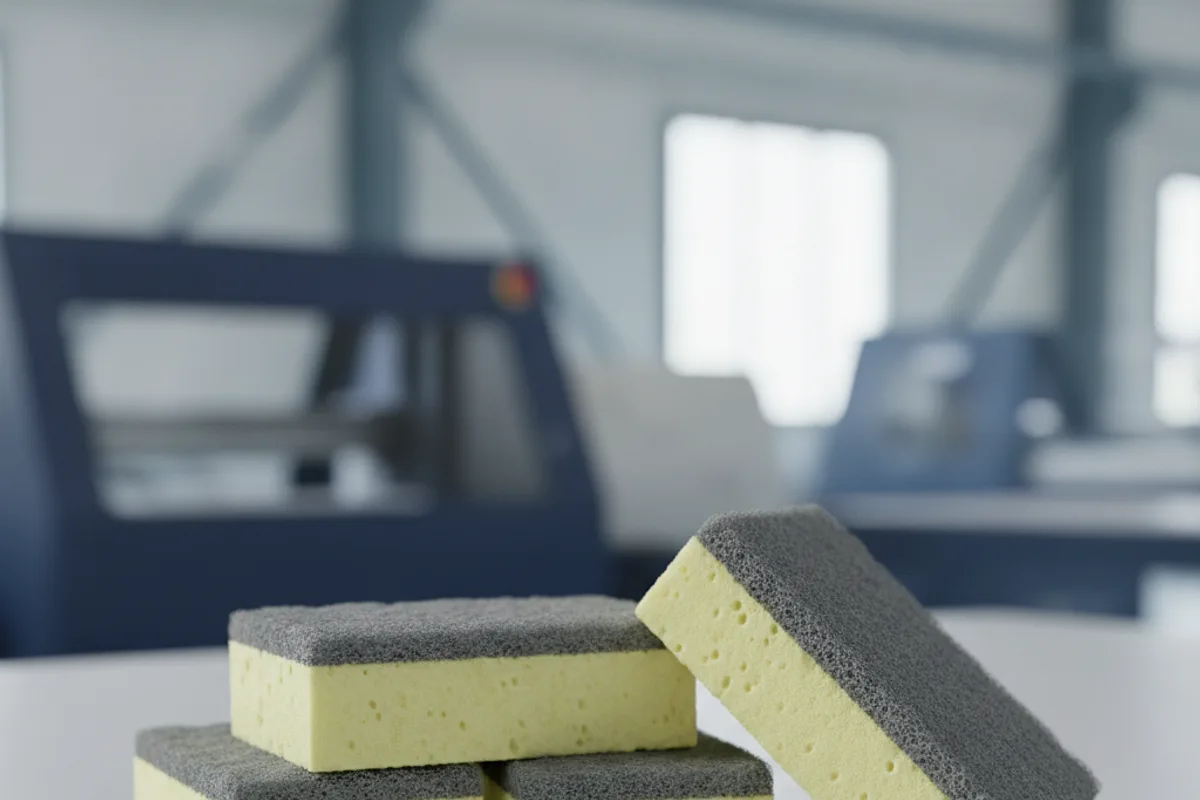
Household
Cleaning sponges and abrasive layers - grades that take moisture and repeated compression.
Grades: PN 2130 CRVENAPN 2130 ŽUTAPE 2125 BIJELAFrom the plant
This is where the foam is made, not just warehoused
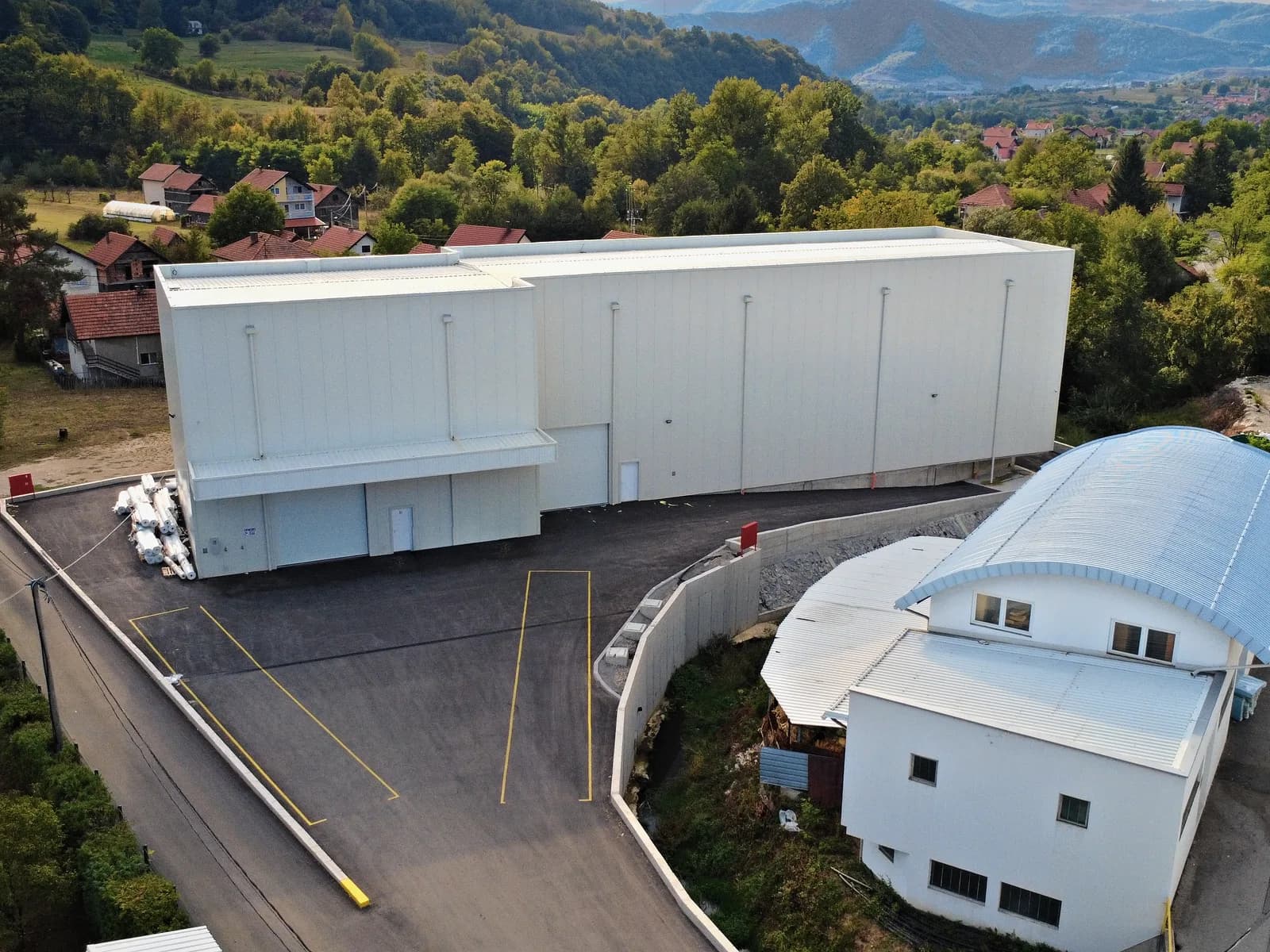
Plama-pur BH is a 50/50 joint venture with Plama-pur d.d. of Slovenia. In Bjelavići near Kakanj we run our own foaming plant with TDI storage — which is why the technical data you get comes from our production, not from someone else's catalogue.
- Our own foam productionThe block is made here — formulation, density and hardness are our call, so they can be adapted to your requirement.
- TDI storage and Seveso standardThe site operates under the Seveso regime — raw material is stored and handled under prescribed procedures.
- Cutting to sizeHorizontal, vertical and contour cutting to your drawing — the block leaves as a finished part.
How it is made
From raw materials to a finished block
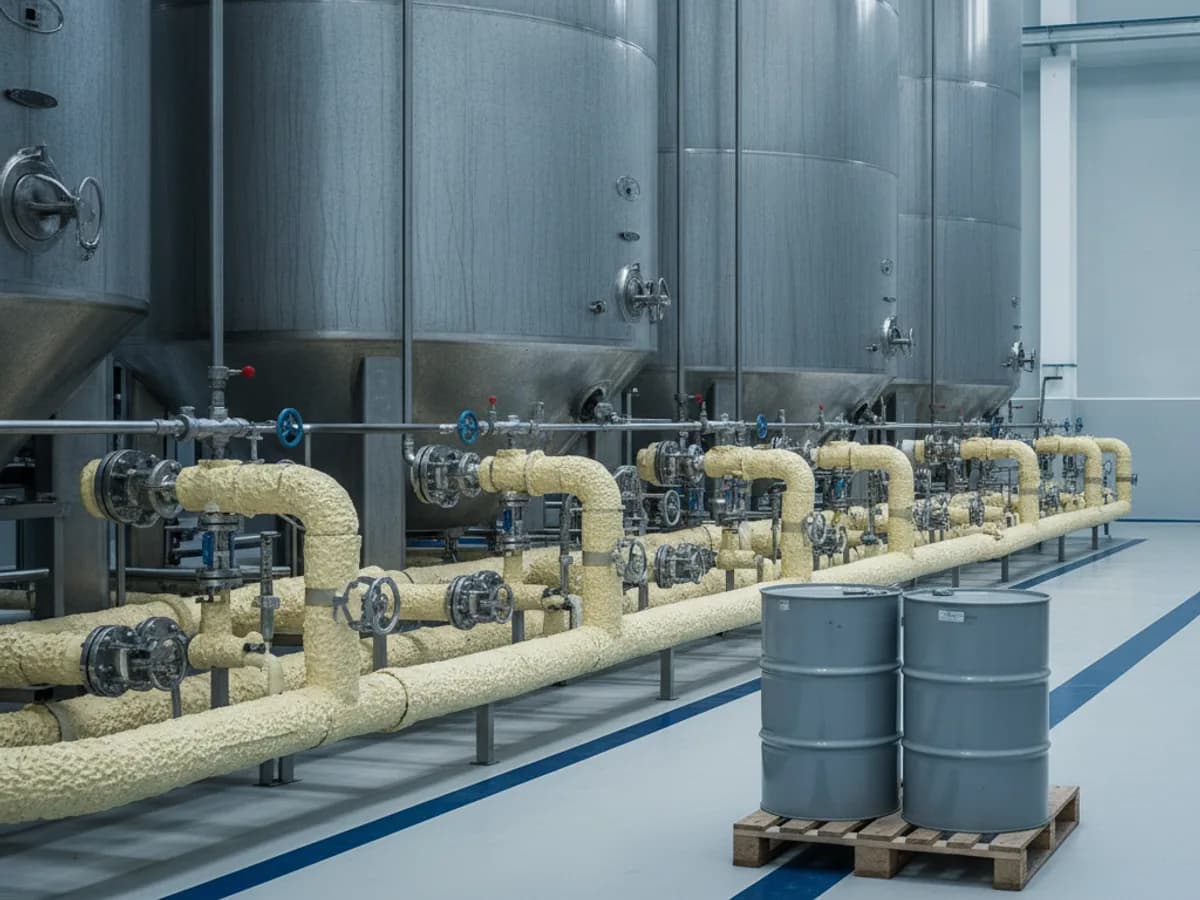
Full technology →Eight steps of our process. The foam is made in batches, in a mould, with low-pressure mixing - the ratio of components in step two decides everything later measured on the certificate.
Raw materials
Intake and storage of raw materials: polyol, isocyanate (TDI), additives, catalysts and blowing agents.
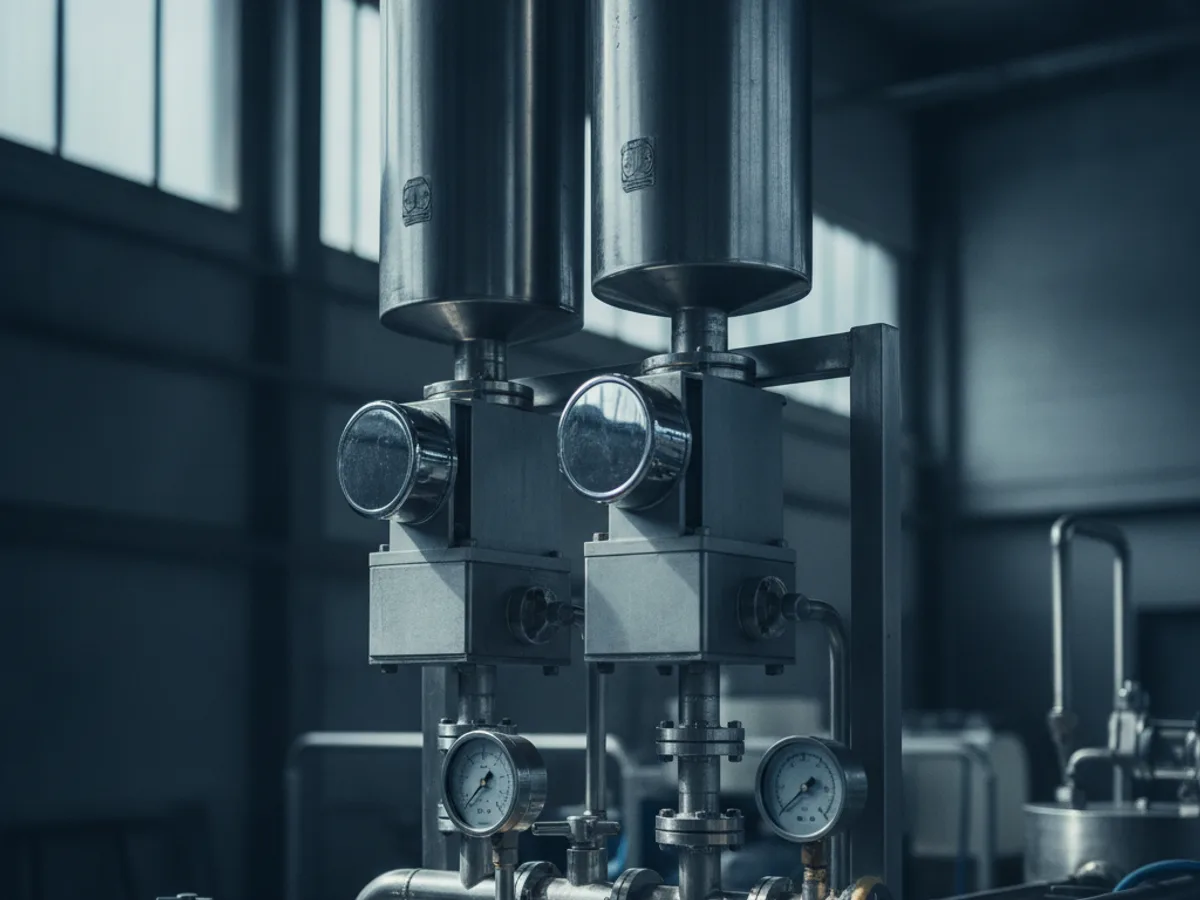
Dosing
Precise dosing to the formulation - the ratio of components determines the block's density and hardness.
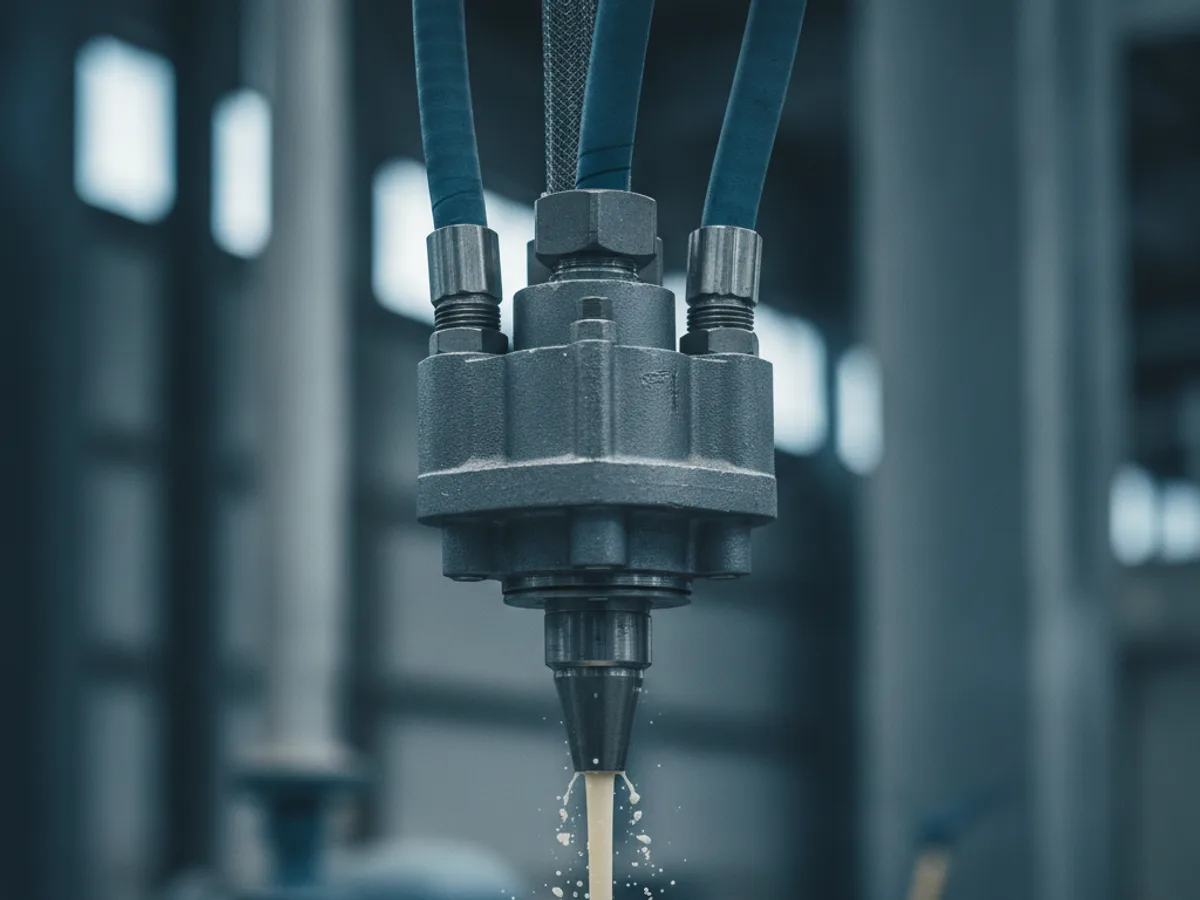
Mixing
Polyol, TDI and additives combine in the mixing head - by a low-pressure process.
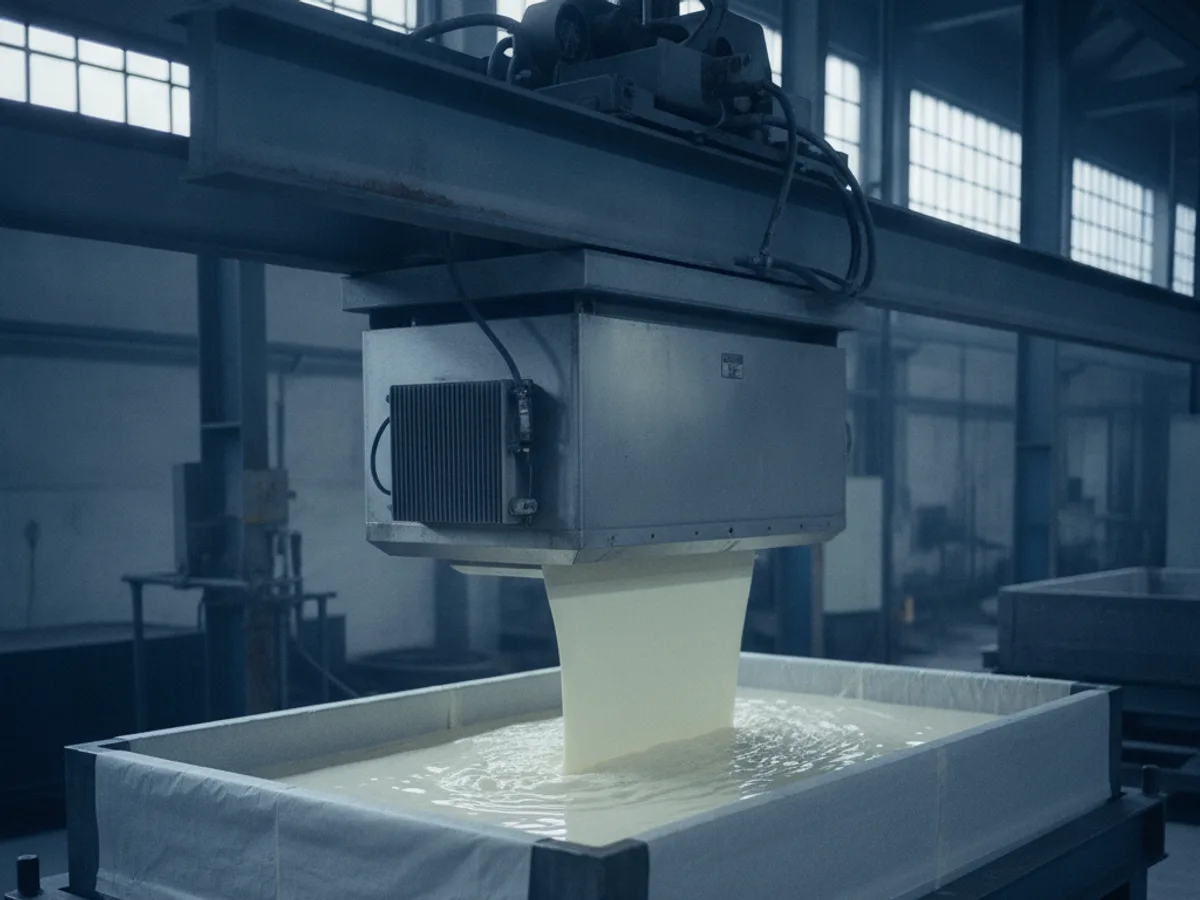
Mould filling
The mix enters the mould (box) and the reaction begins - the foam starts to rise.
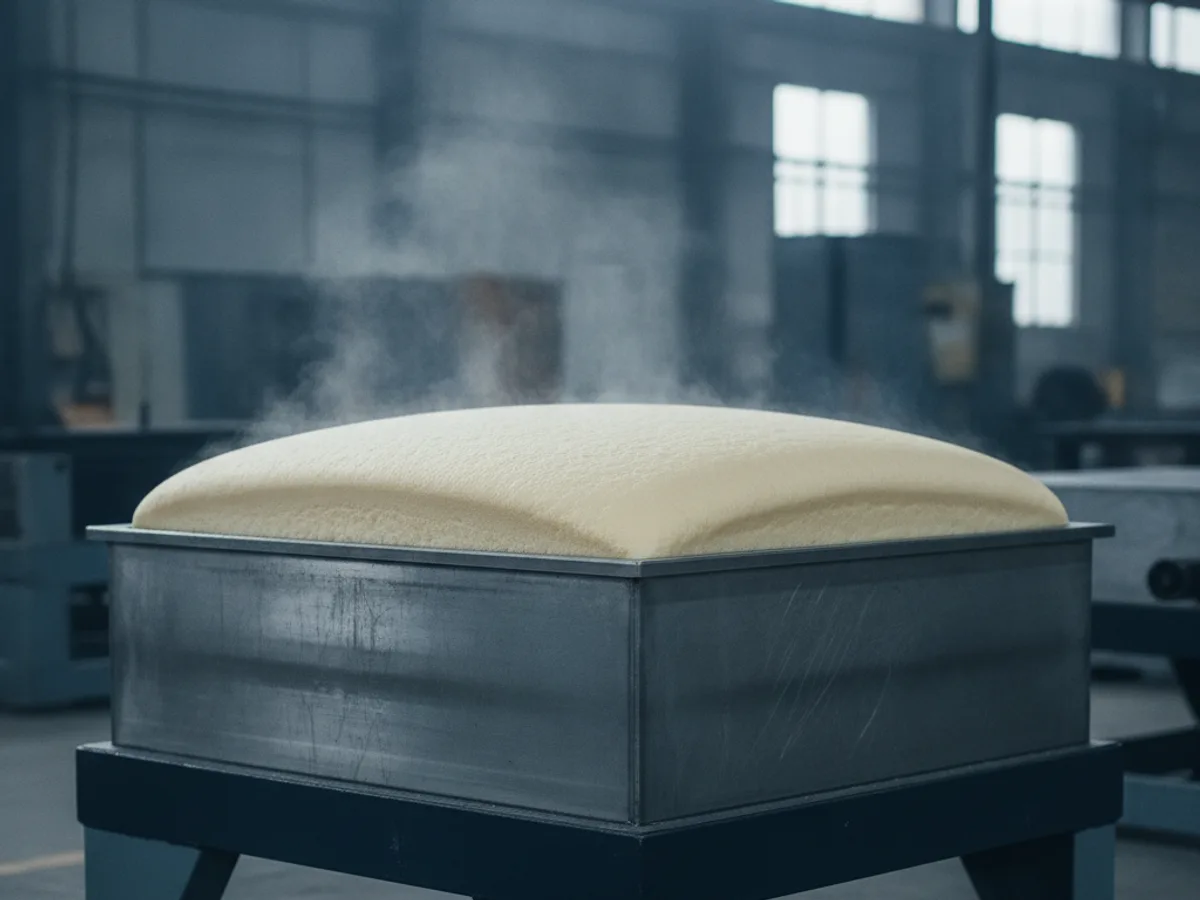
Expansion and curing
The exothermic reaction raises the foam to the top of the mould and it cures - this is where the cell structure forms.
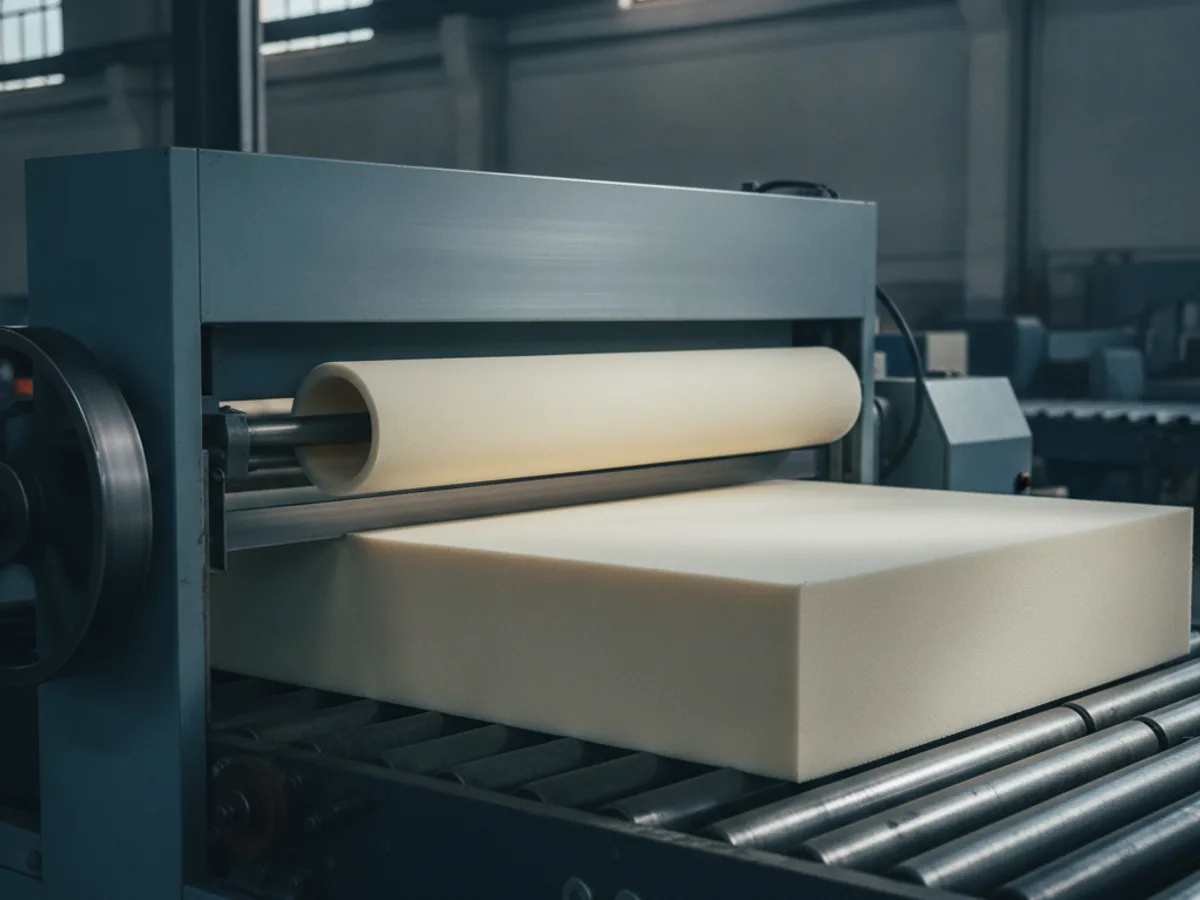
Cutting and shaping
The block is cut to the required dimensions and shaped - horizontally, vertically or to contour.
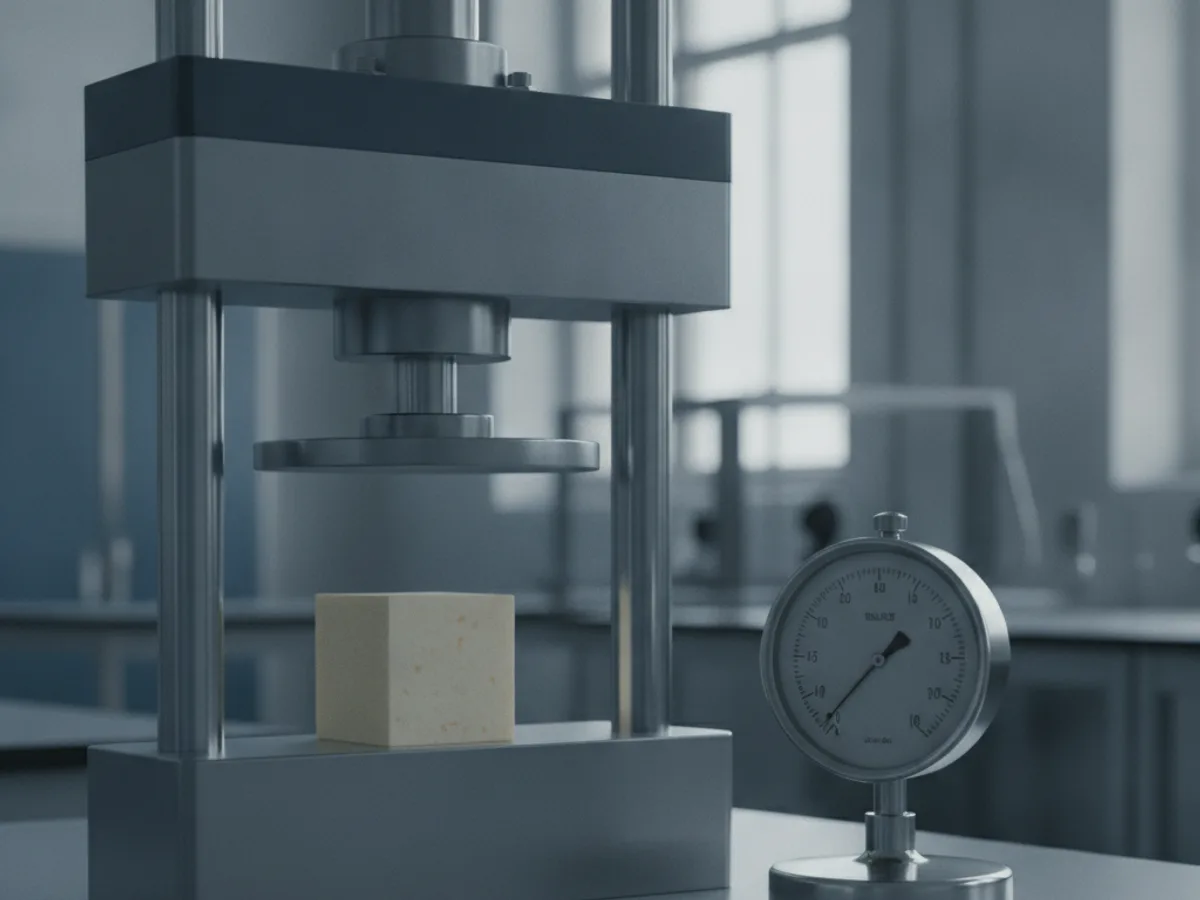
Quality control
Specific weight, hardness under compression and elasticity under tension are measured - against formulation and standard.
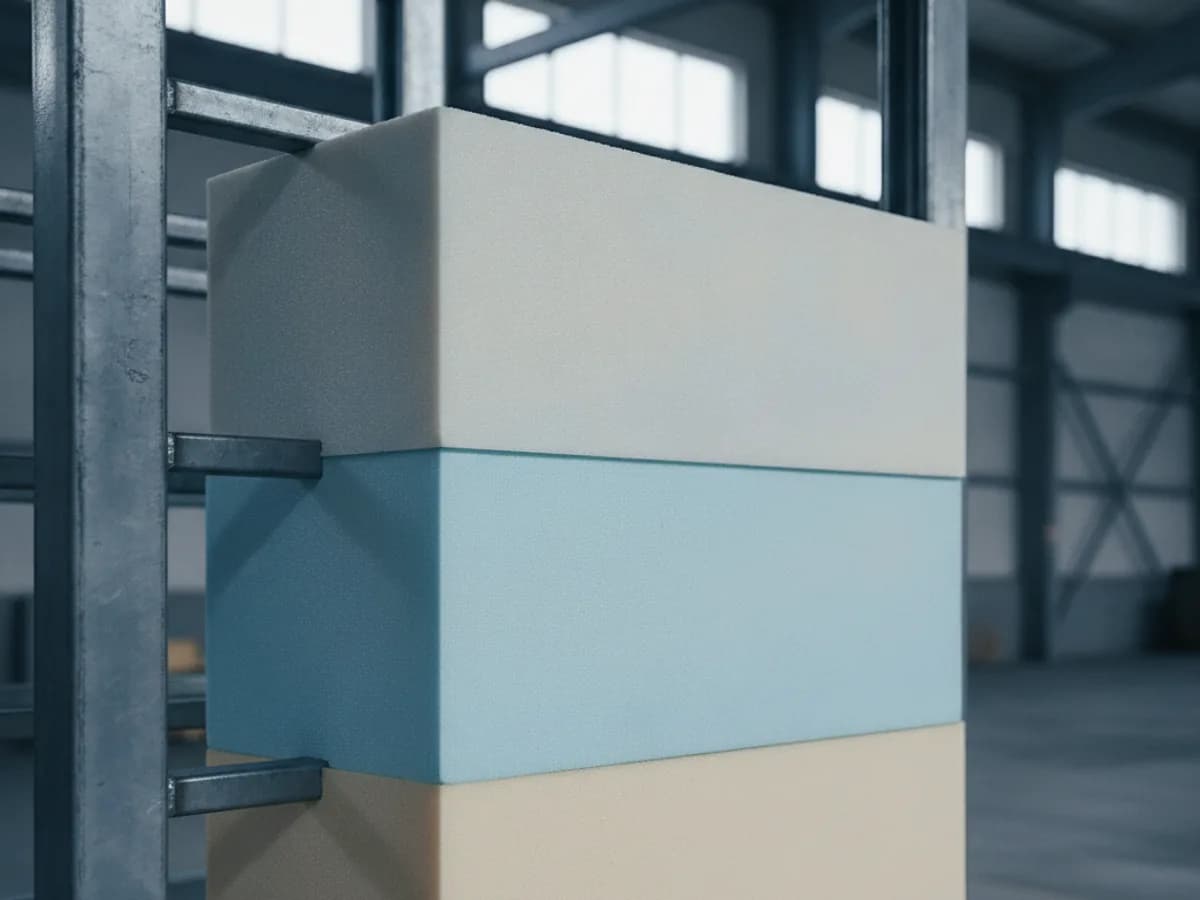
Finished PU foam
The block is ready for further processing or delivery - cutting to size, lamination or direct assembly.
Main raw materials and additives
- Polyol — base component
- TDI — isocyanate
- Catalyst (SO) — accelerates the reaction
- Additives — DEOA, silicones, stabilisers
- Blowing agents — water, amines
- Other — colourants, cleaning agents
Featured foam grades
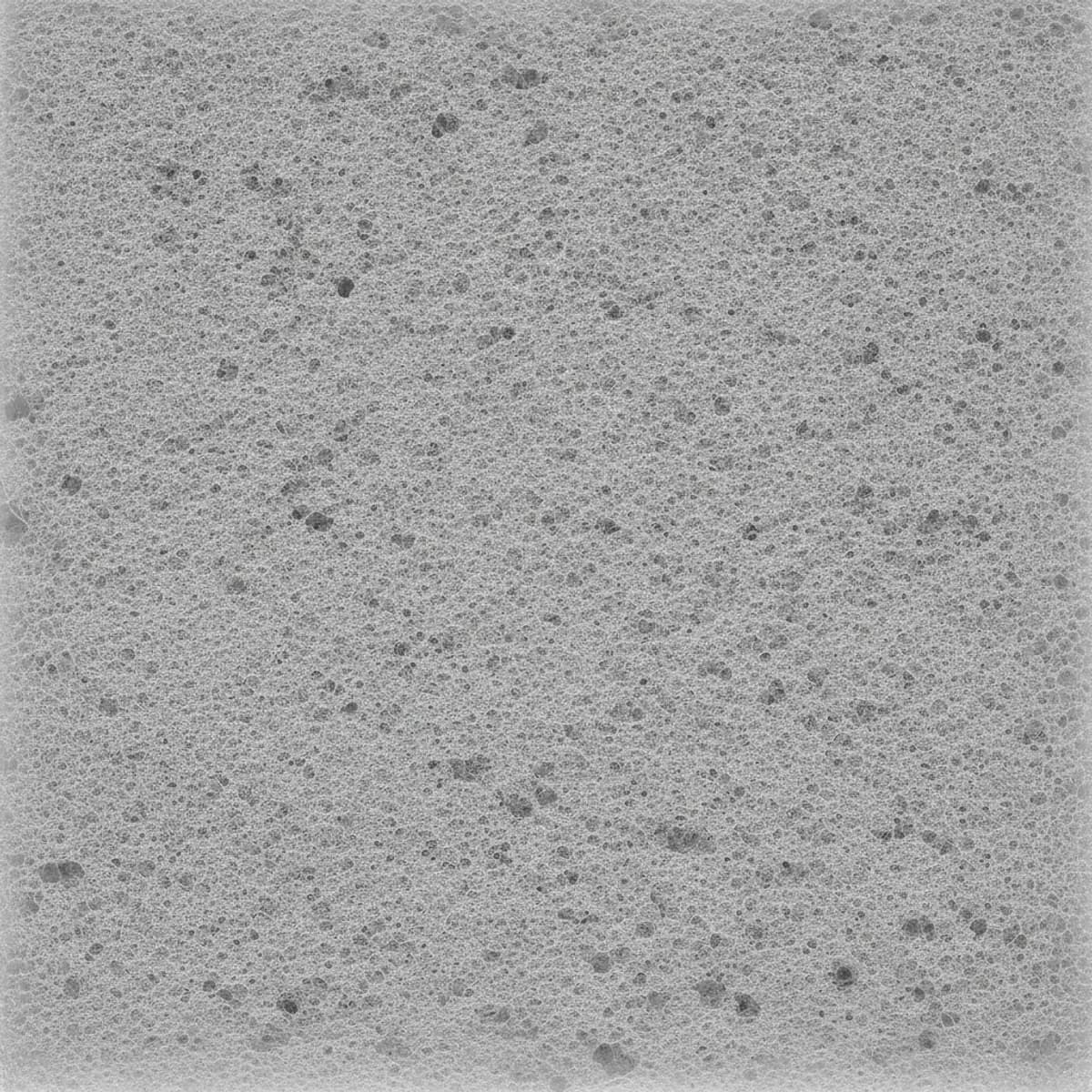
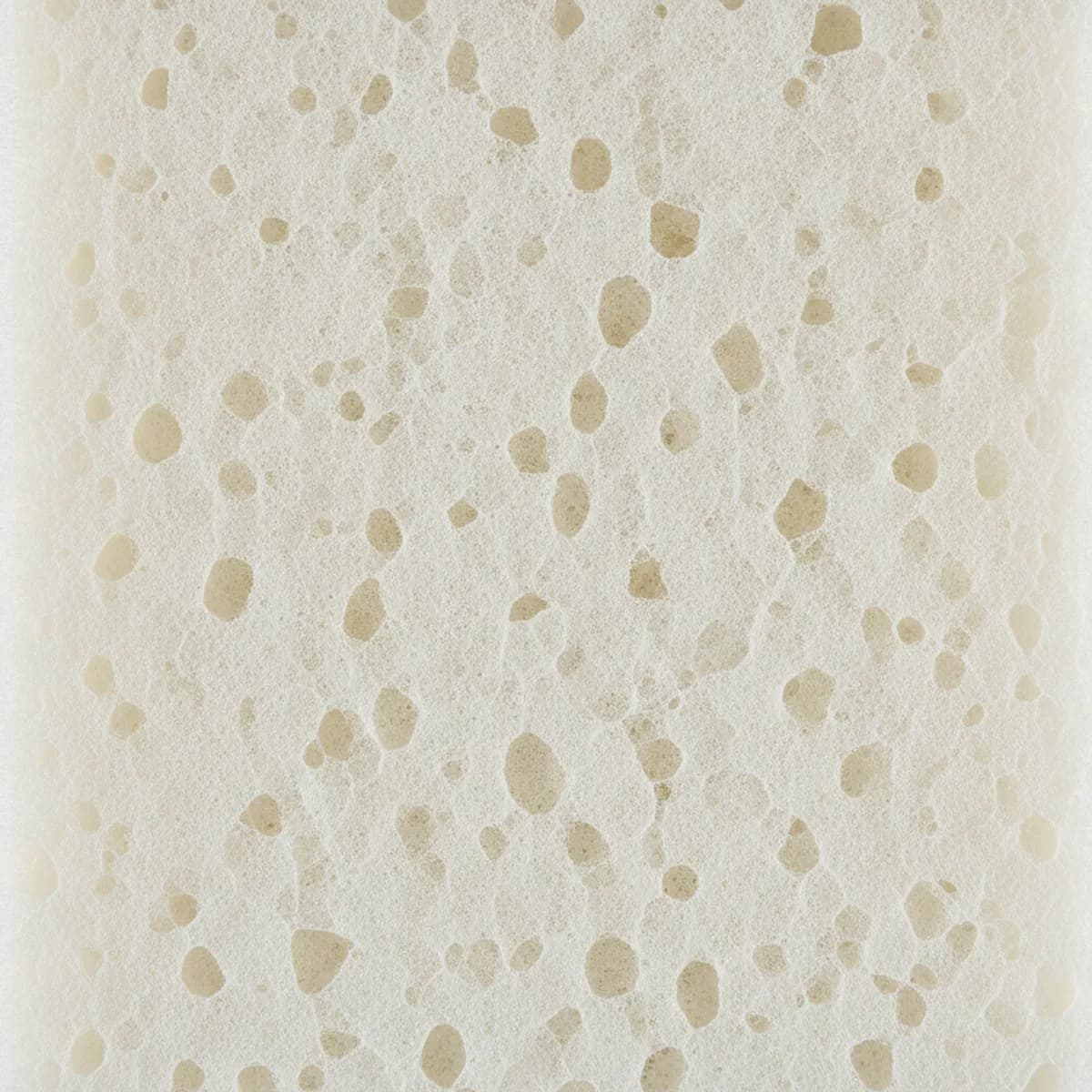
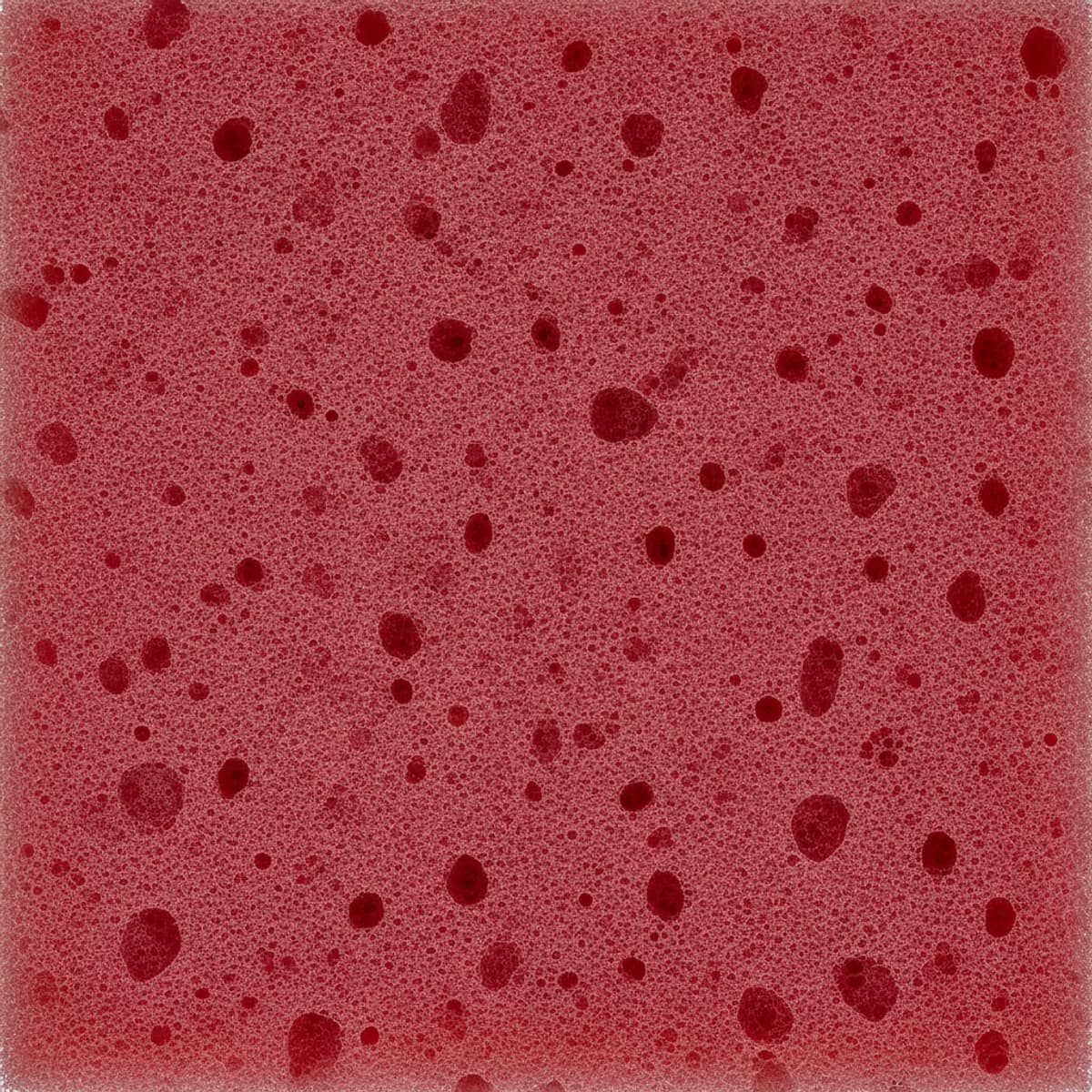
All foam grades →A cross-section of the range - one characteristic grade from each main foam family.

Find your foam
Frequently asked questions
What customers ask before their first inquiry
How do I read a foam grade code?
The first two digits are density in kg/m³, the second two are hardness ×10 kPa. PT 2541 means 25 kg/m³ density and 4.1 kPa hardness. The letters denote the family: PN, PT, PP, HR or PE.
What is the minimum order quantity?
It depends on the grade and on whether you take blocks or cut parts. Send an inquiry with dimensions and quantity — we will confirm the exact minimum and lead time for your case.
Do you cut to size or only supply blocks?
Both. We do horizontal and vertical cutting into sheets, contour cutting to drawing, and layer bonding. Tolerances are agreed with the quote.
Can I get a technical (TDS) and safety data sheet (SDS)?
Yes. Some sheets are on the Downloads page; for the remaining grades we send them with the quote.
What are the standard block dimensions?
Block length and width are set by the line; height is agreed per order. Exact figures for a given grade come with the quote, as they depend on formulation and density.
Do you deliver outside Bosnia and Herzegovina?
Yes, we deliver across the region. Terms and lead time are stated in the quote, based on destination and quantity.
Can I get a sample before ordering?
You can. State in your inquiry which grades you want to compare — a sample is the fastest way to confirm how the hardness actually feels.
Why are foam blocks different colours?
The colour marks the grade, it is not decoration — in the warehouse it tells density and purpose at a glance. The same grade can come in several colours, which is why colour is part of the article code.
News and technical articles
All articles →Practical knowledge about polyurethane foam: grade selection, tolerances, standards and processing - written for engineers and purchasing.
TechnicalOctober 28, 2026
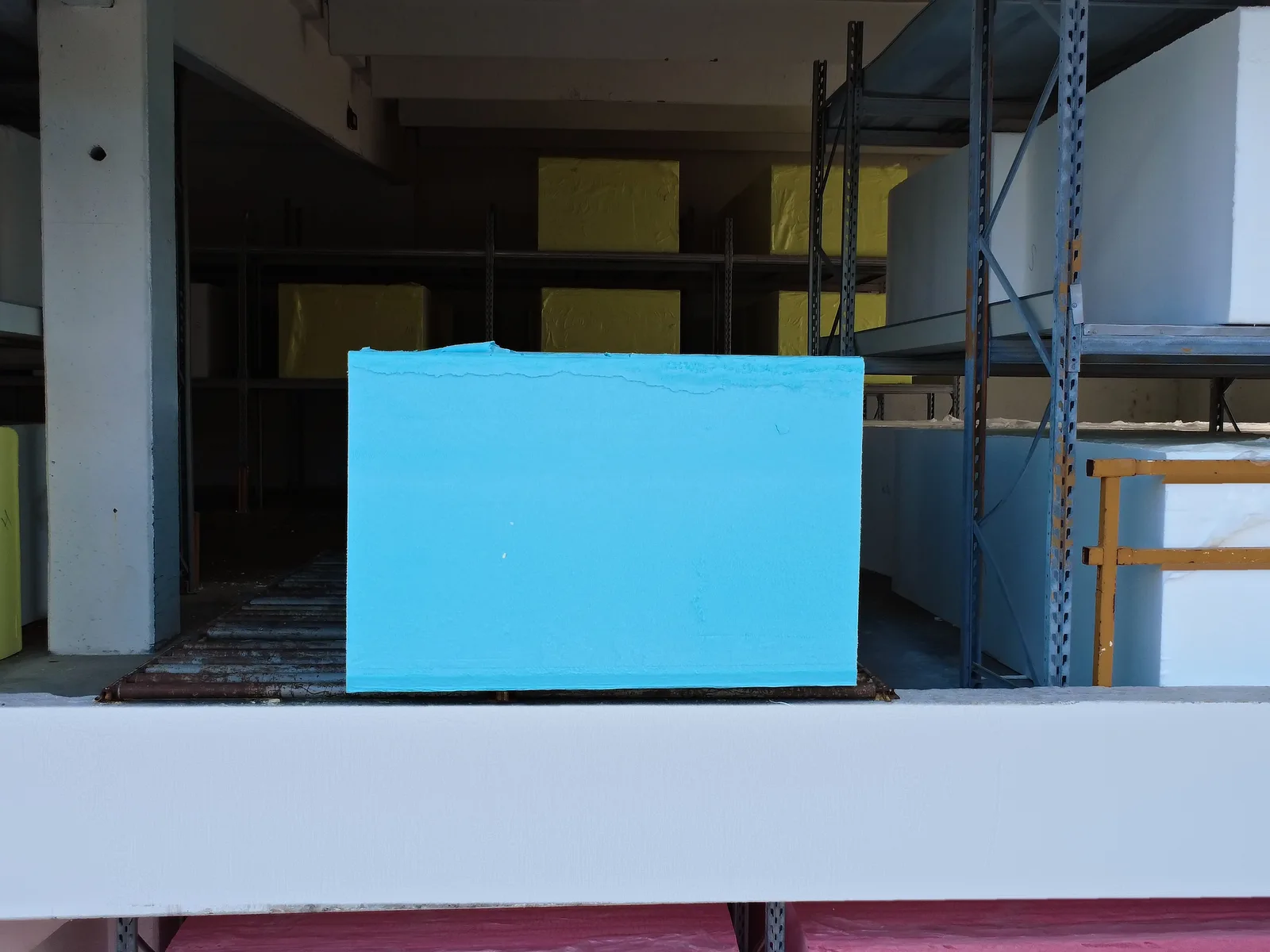
Quality and control: where foam is really decidedA block looks the same whether the formulation was respected or not - the difference shows up at the customer. So we measure three times, and the most important measurement is not the last one.
TechnicalOctober 28, 2026
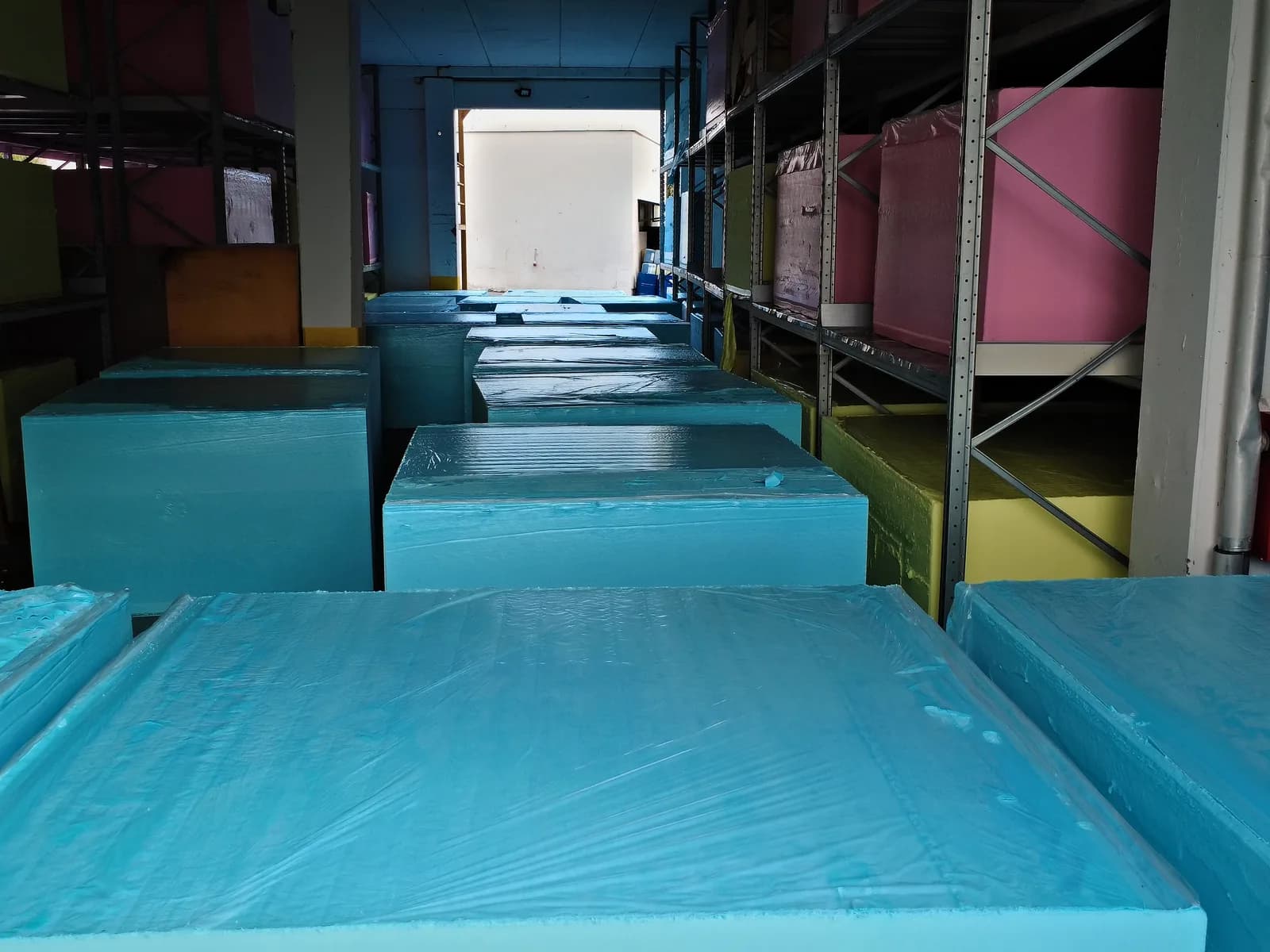
A history of polyurethane foam: from the 1937 laboratory to the block in the warehouseHow an attempt to get around the nylon patent produced a material we touch a dozen times a day - and what actually happens in the mould when two liquids become a block.
TechnicalAugust 10, 2026
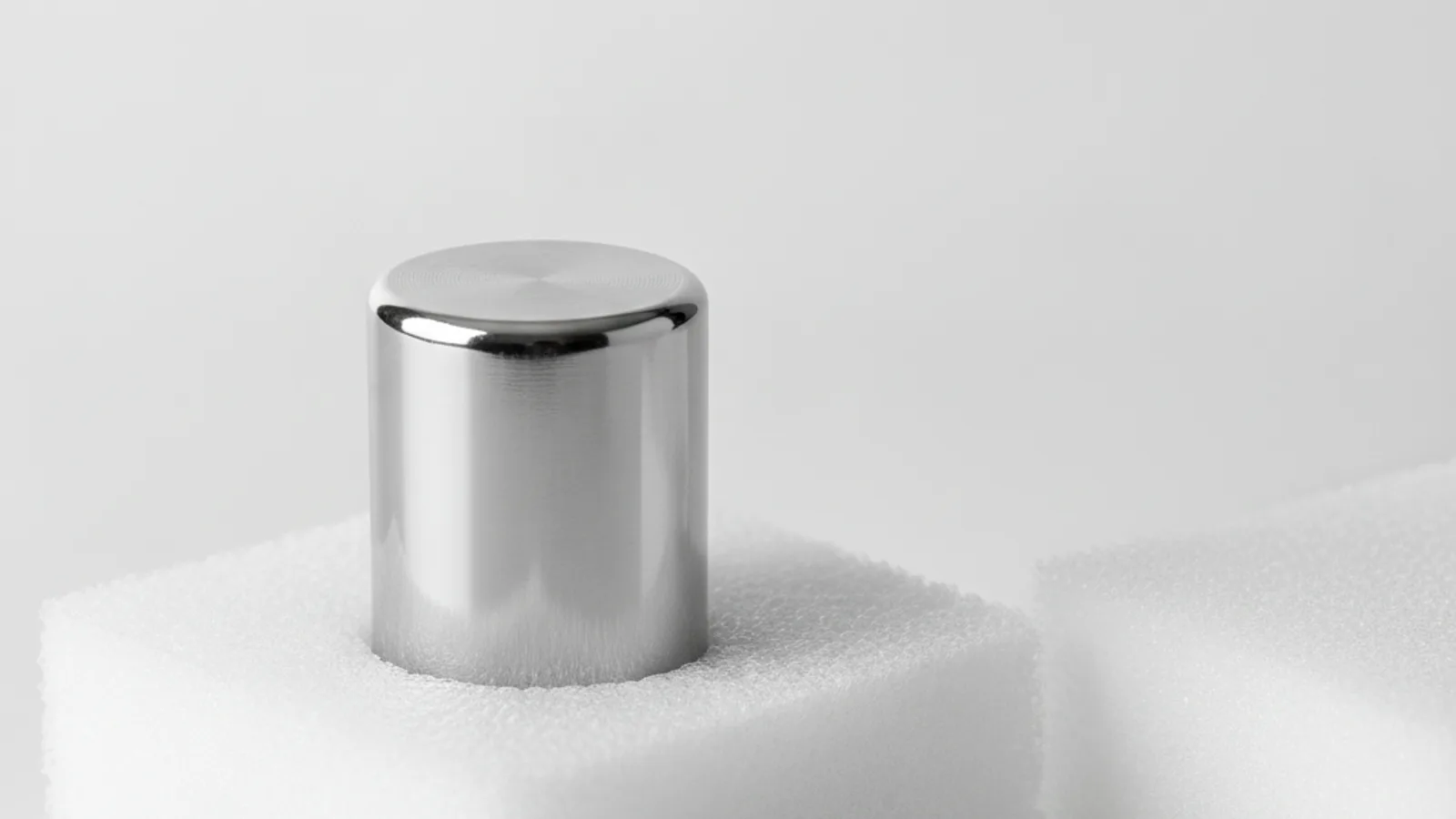
How to choose foam density and hardnessDensity tells you how long a foam will last, hardness how it will feel - and inquiries regularly mix them up. A guide to both axes, with a table by application.
TechnicalJuly 28, 2026
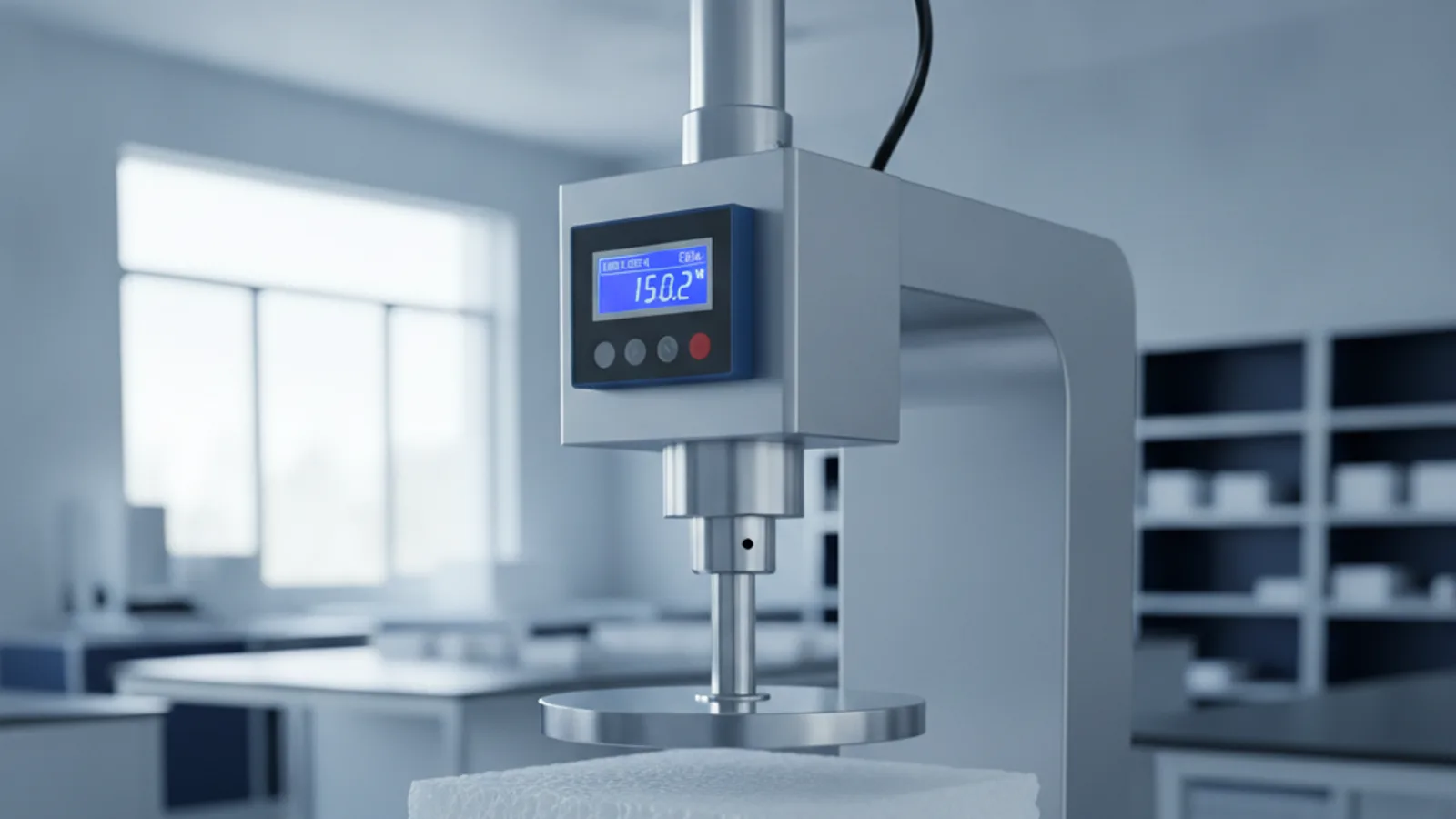
CLD or ILD - what they measure and why the numbers don't matchTwo hardness test methods, two units, and numbers that cannot be compared directly. How to read hardness in technical data sheets.
TechnicalJuly 14, 2026
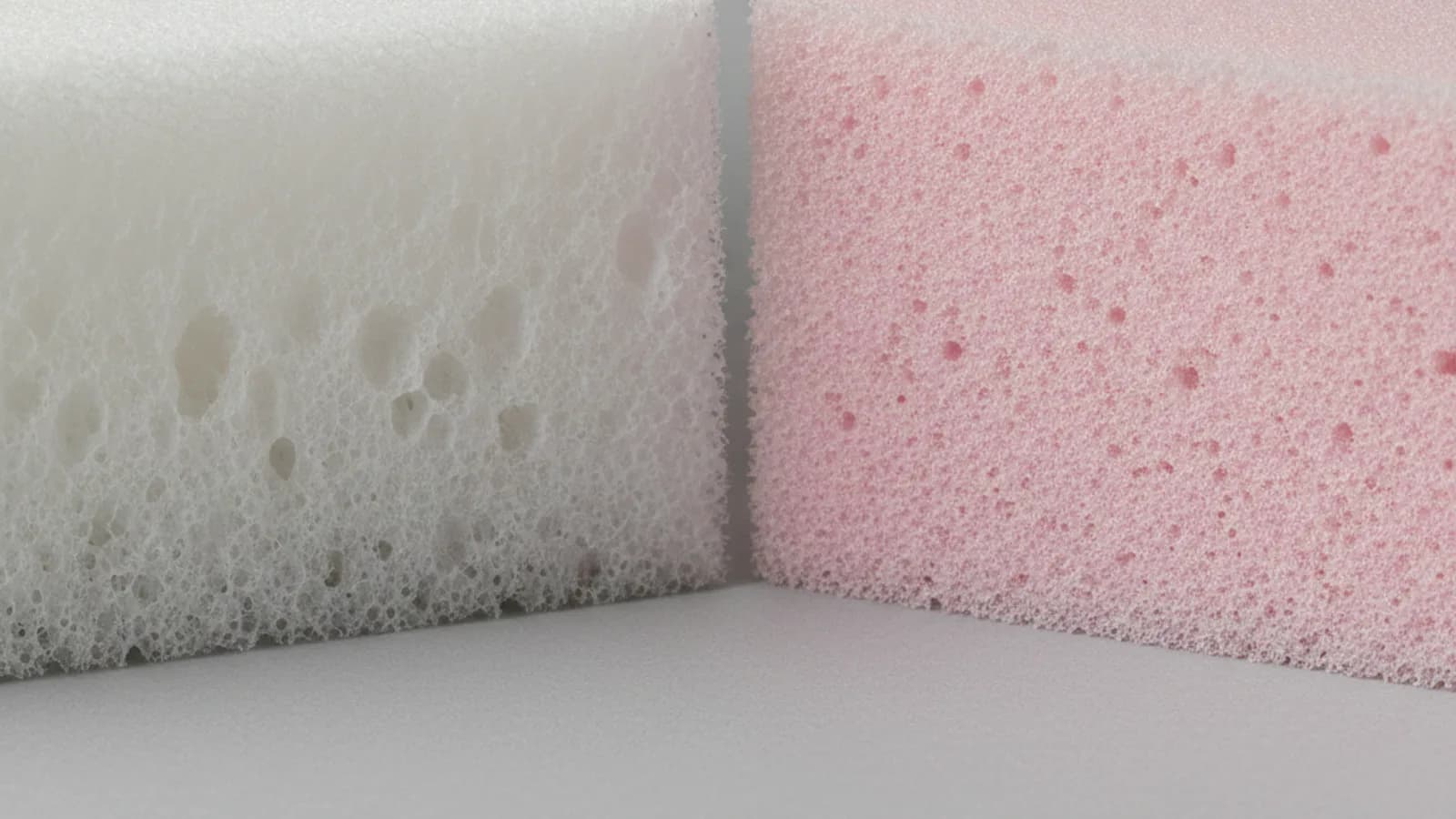
HR foam vs. conventional foam - what actually differsHR is not ”a better conventional foam” but a different cell structure with a different compression curve. Where the difference pays off, and where it is unnecessary.
TechnicalJune 30, 2026
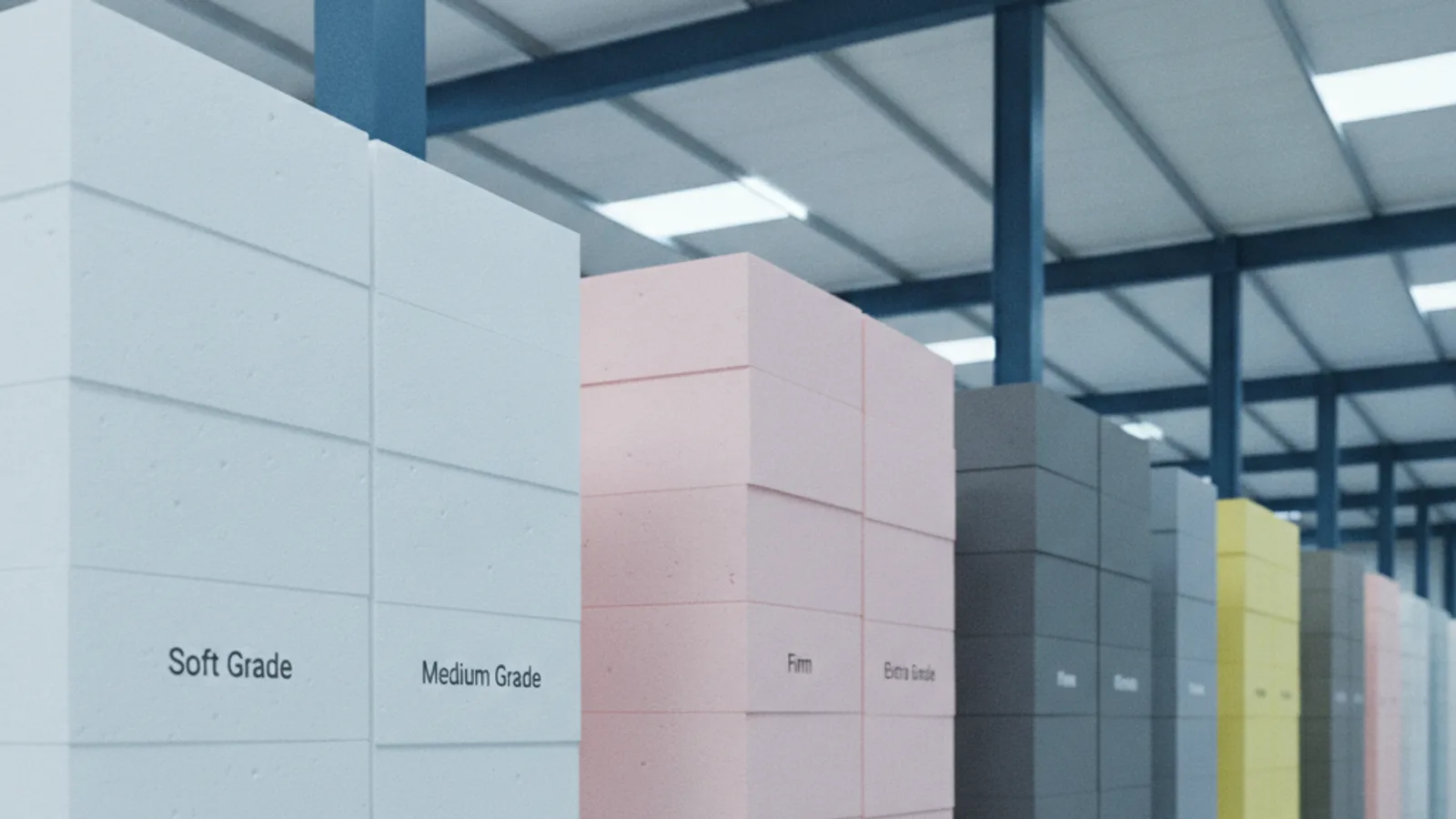
How to read foam grade designationsHR-3530, VE-5015, N-2540 - a grade designation carries the family, density and hardness. How to decode it, and why designations from different producers are not comparable.
Tell us what you need
Send dimensions, quantity and application - we'll prepare a quote or a sample for your case.
Social responsibility
Demo examples - real projects and photos to follow.
Community
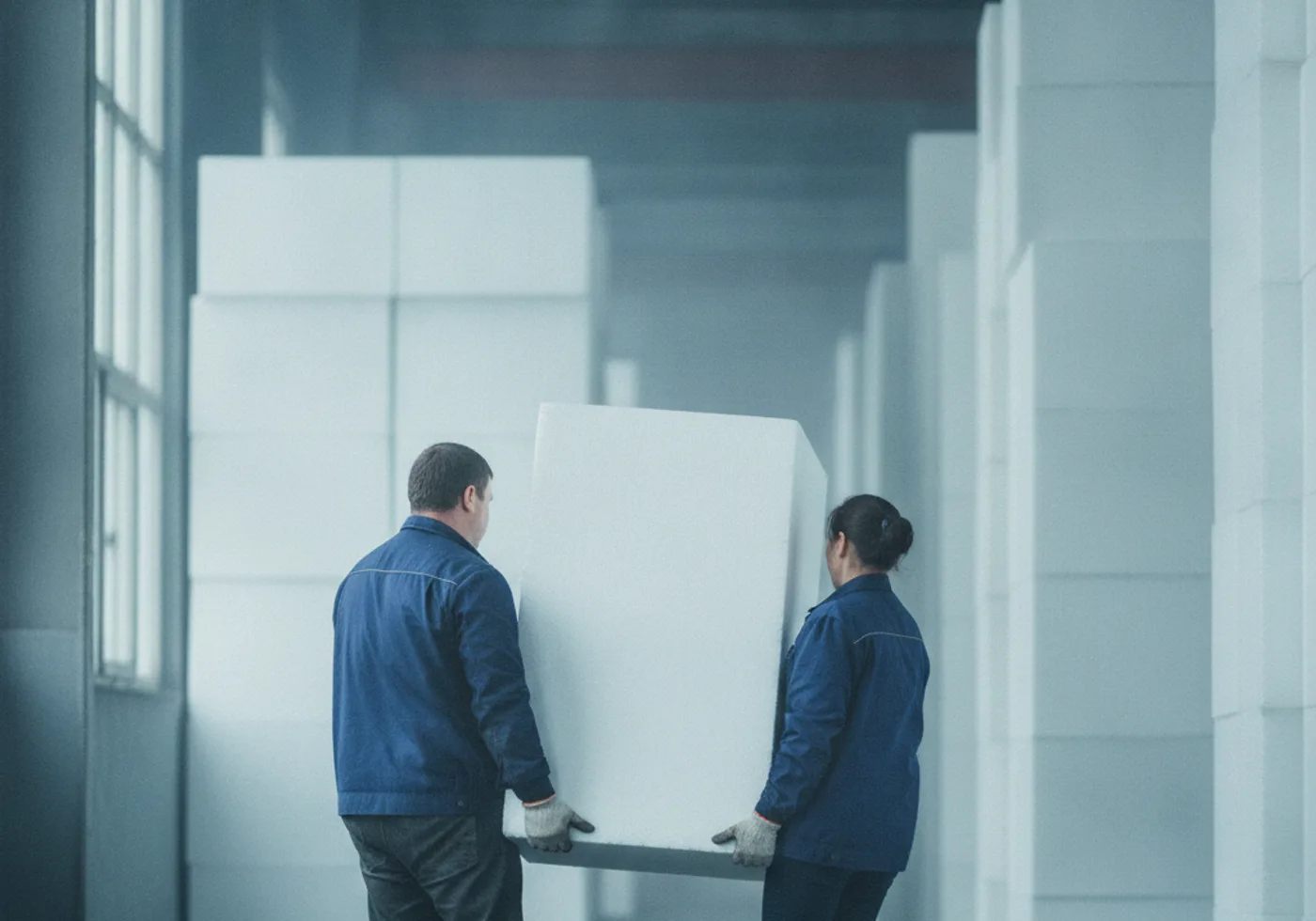
We hire from the local community
People from Kakanj and nearby towns come first in hiring - we grow together with our surroundings.
Environment
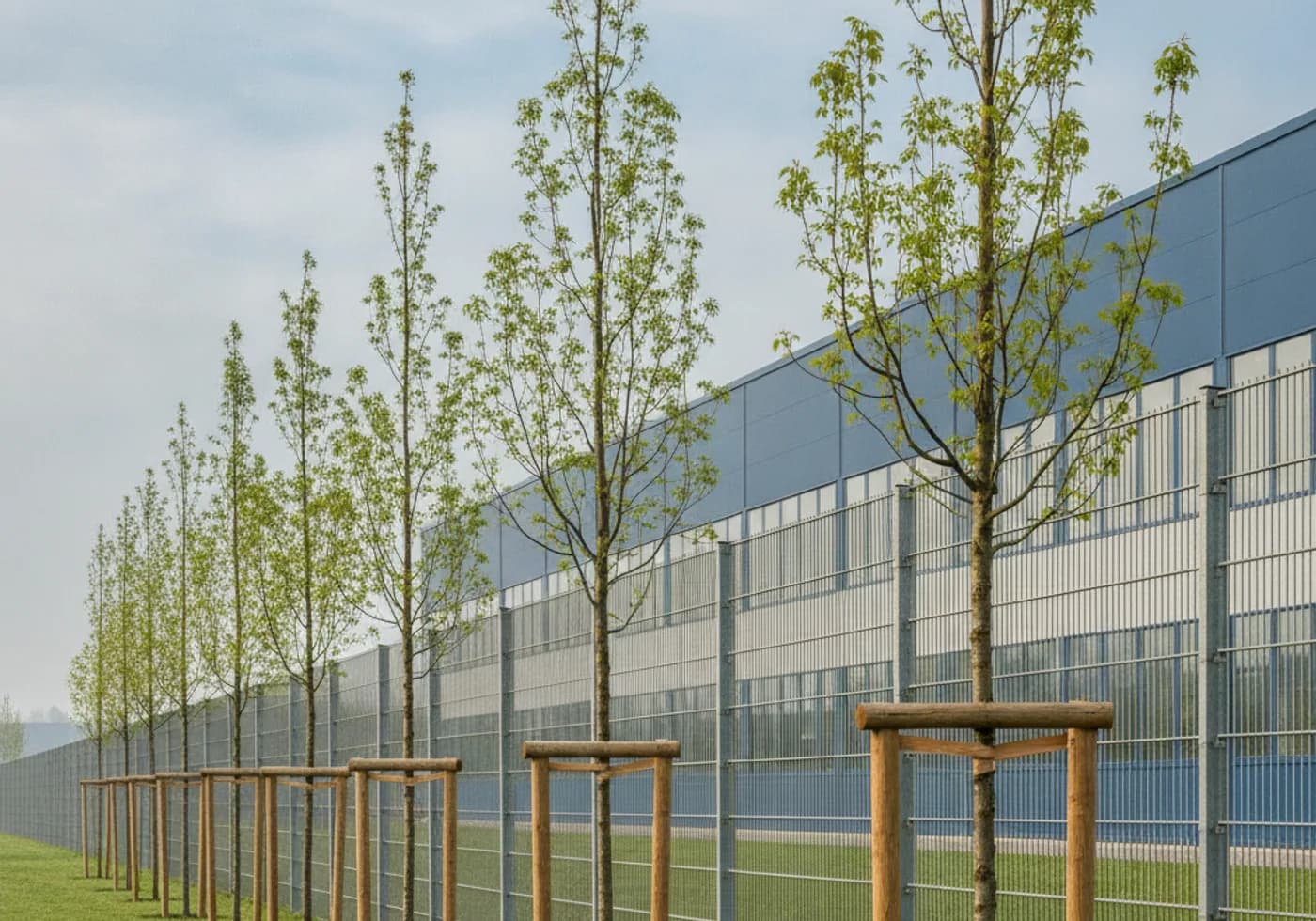
Responsible process management
Strict protocols for raw materials and emissions - environmental permits and controls at European standards.
Education
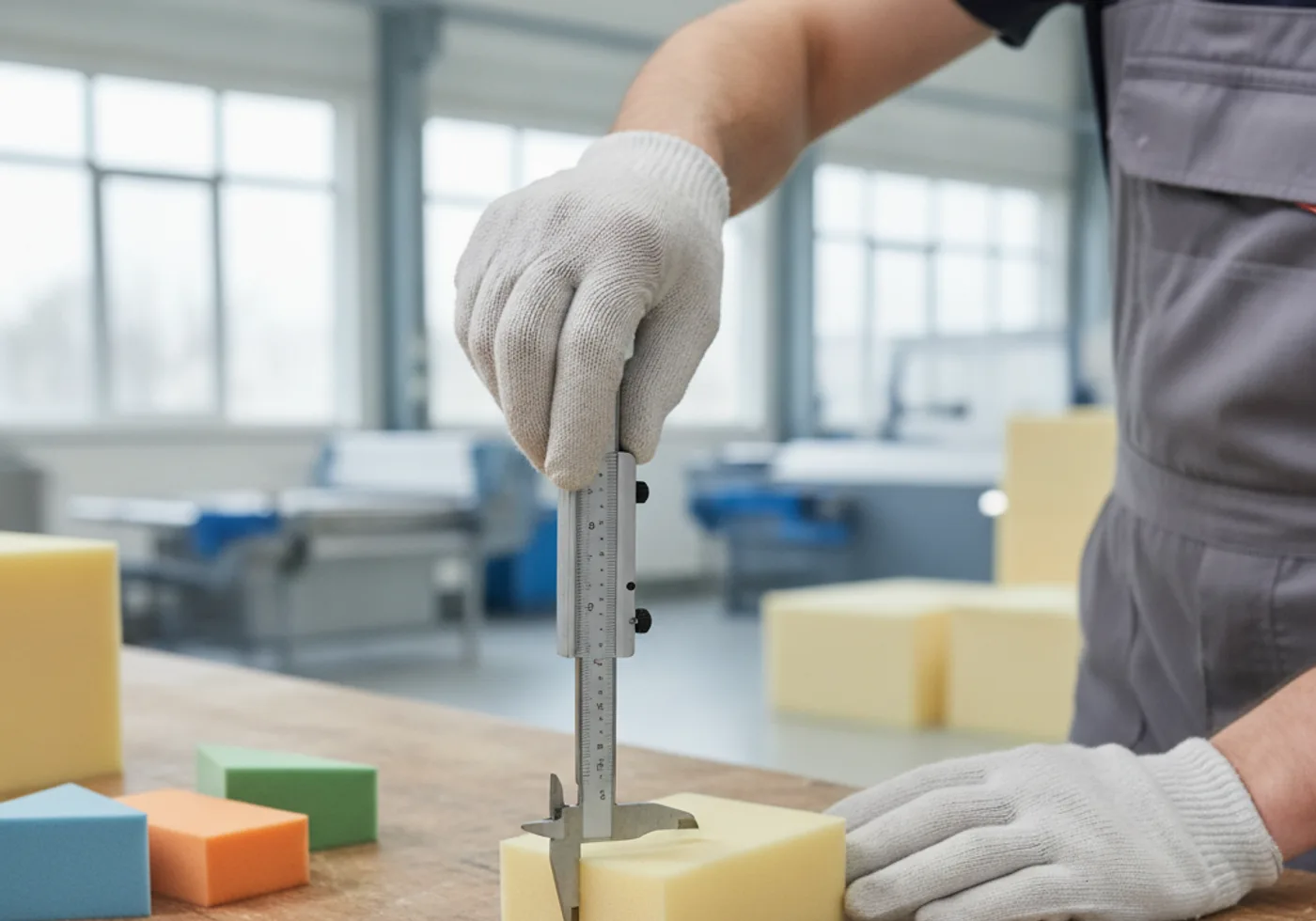
Internships for pupils and students
We open our plant to technical schools and universities - internships with real machines and real tasks.
Sport
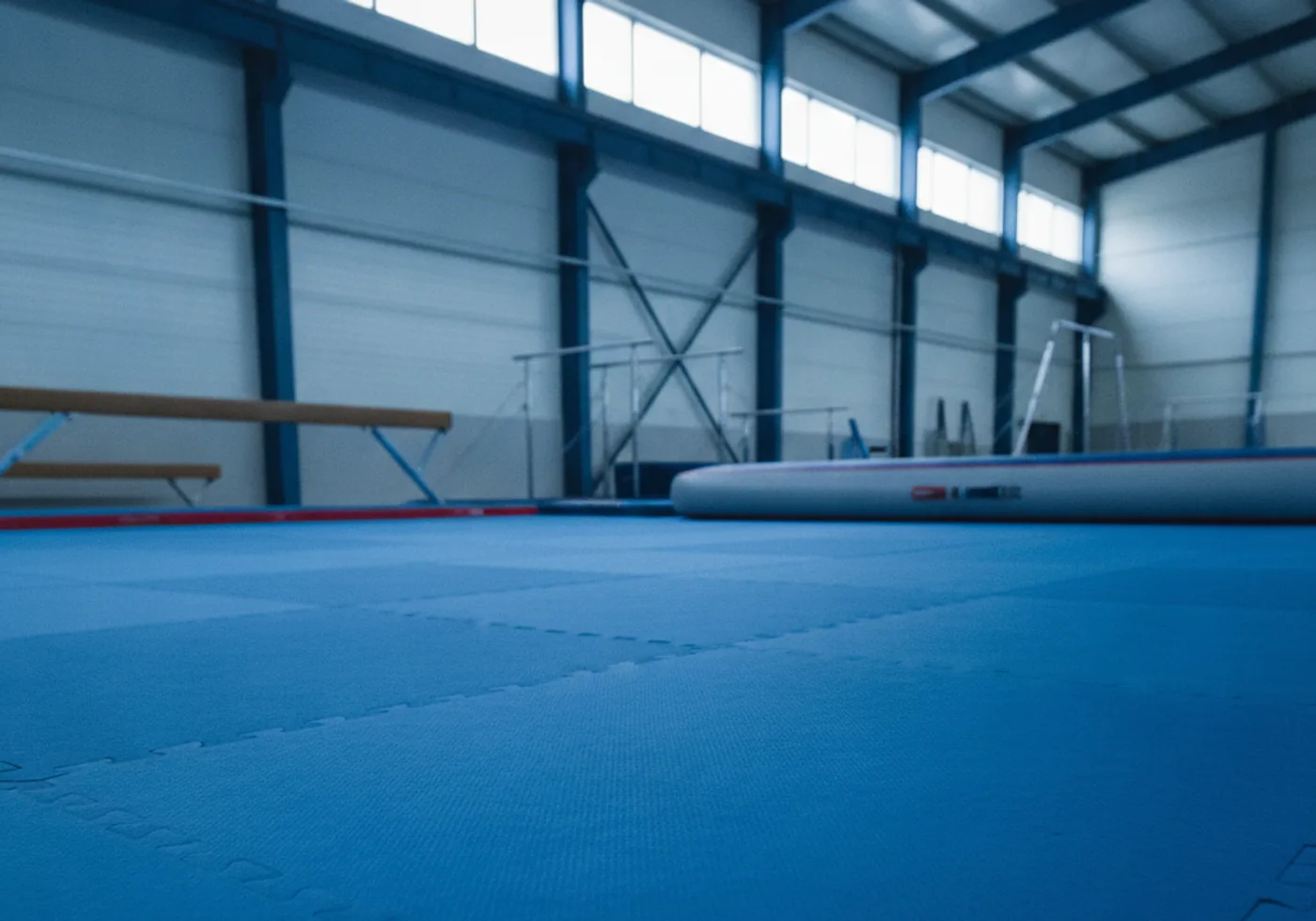
Supporting local sport
We sponsor clubs and school sports programmes in our municipality - from jerseys to mats made of our foam.
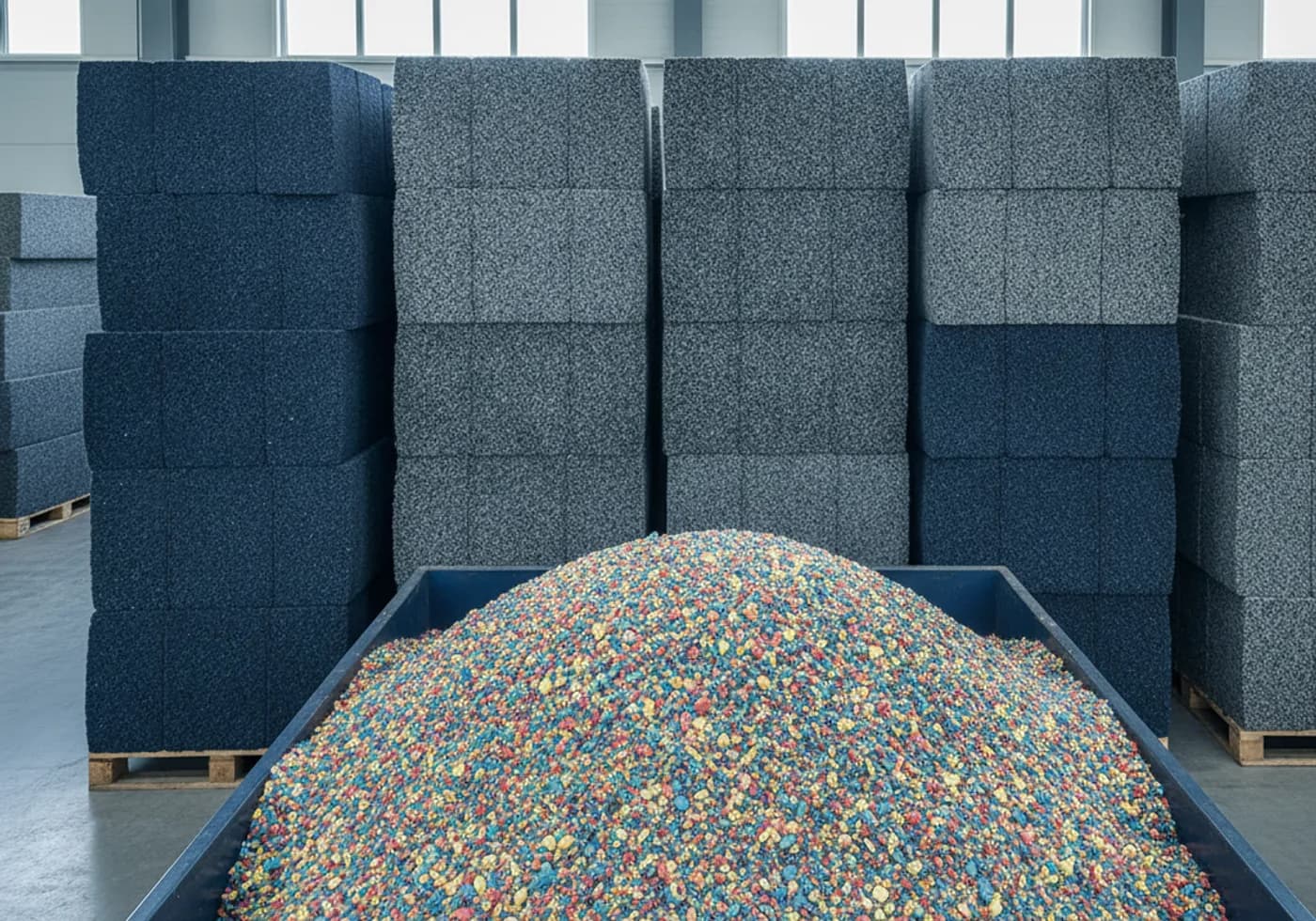
Recycling
Foam offcuts get a second life
Cutting offcuts become rebond foam for underlays and insulation - less waste, more product.