
How to choose foam density and hardness
TechnicalAugust 10, 2026
Density tells you how long a foam will last, hardness how it will feel - and inquiries regularly mix them up. A guide to both axes, with a table by application.
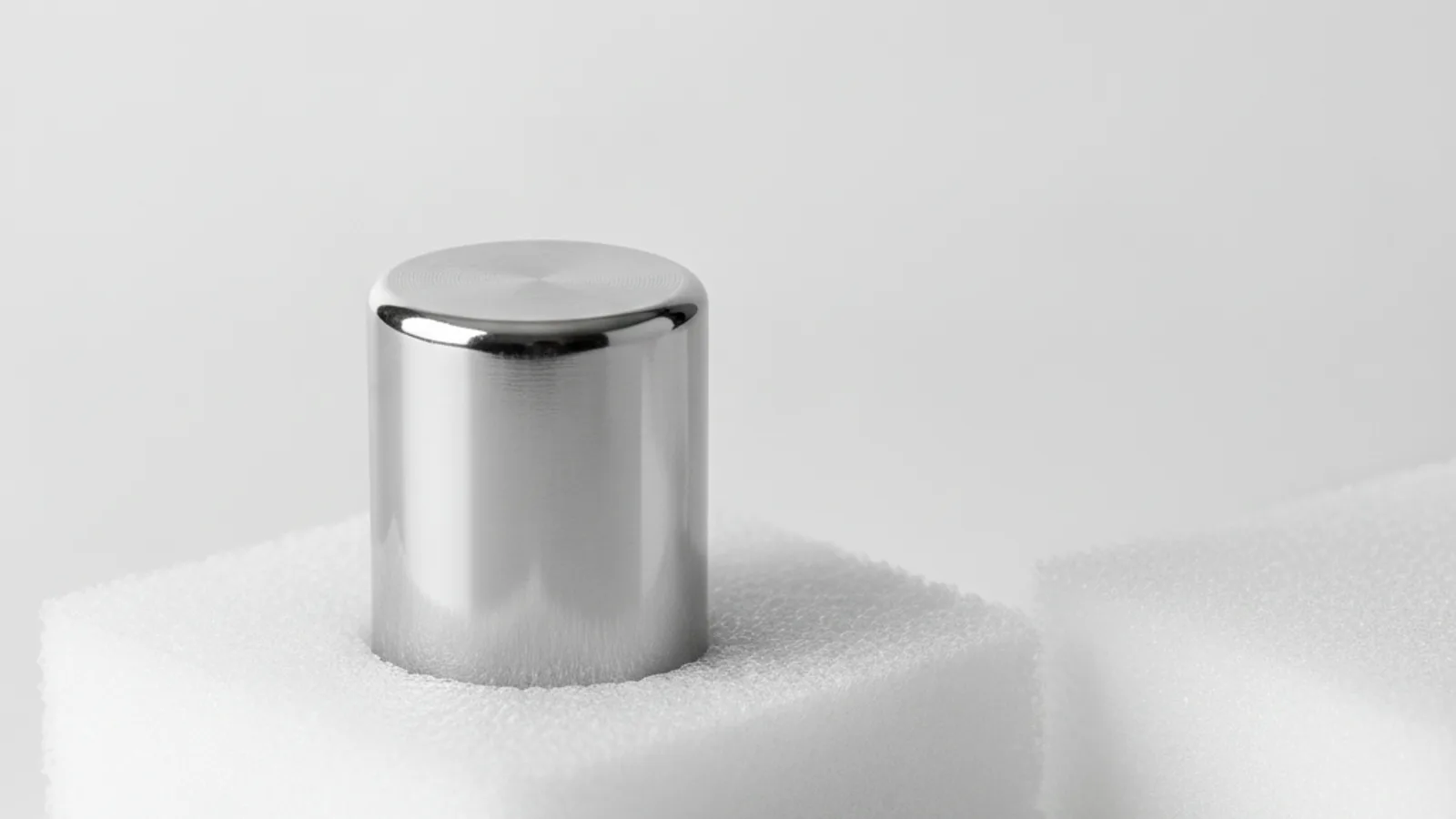
When customers describe foam, they almost always say "firm" or "soft". Yet two foams of identical hardness can behave completely differently after a year of use - because durability is governed by a different quantity: density.
Density is not hardness
Density (kg/m³) says how much material there is in a cubic metre of foam. It governs durability: resistance to permanent deformation, behaviour under dynamic load and product lifetime. Hardness (CLD, kPa) says how much pressure is needed to compress the foam - it governs feel and support.
The two axes are technologically independent: there are soft high-density foams (extremely durable, comfortable) and firm low-density foams (initially solid, but quick to lose height).
Indicative values by application
| Application | Density (kg/m³) | Hardness CLD (kPa) |
|---|---|---|
| Furniture seats, daily use | 30–40 | 3.5–5.0 |
| Backrests and armrests | 21–30 | 2.0–3.5 |
| Mattresses - support layer | 30–50 | 2.5–4.5 |
| Acoustic linings | 25–30 | 1.5–2.5 |
The values are indicative - the final choice depends on part thickness, how it is supported and the expected load.
Rule of thumb
- Choose density by intensity of use: the more often and harder the product is loaded, the higher the density.
- Choose hardness by function: body support, shape recovery, product protection.
- For thin parts (under 40 mm) go one step firmer - thin foam "bottoms out" to the substrate.
If in doubt, send an inquiry describing the product and how it is used - we will propose a grade from the range and send a sample if needed.
Have a specific case?
Send dimensions, quantity and intended use - we propose a foam grade and send a quote or sample.
Send an inquiry