
Storing and transporting foam - compression, light and moisture
TechnicalMarch 24, 2026
Foam forgives a lot, but not everything: prolonged compression, direct sun and a damp warehouse. The rules that preserve material properties until installation.
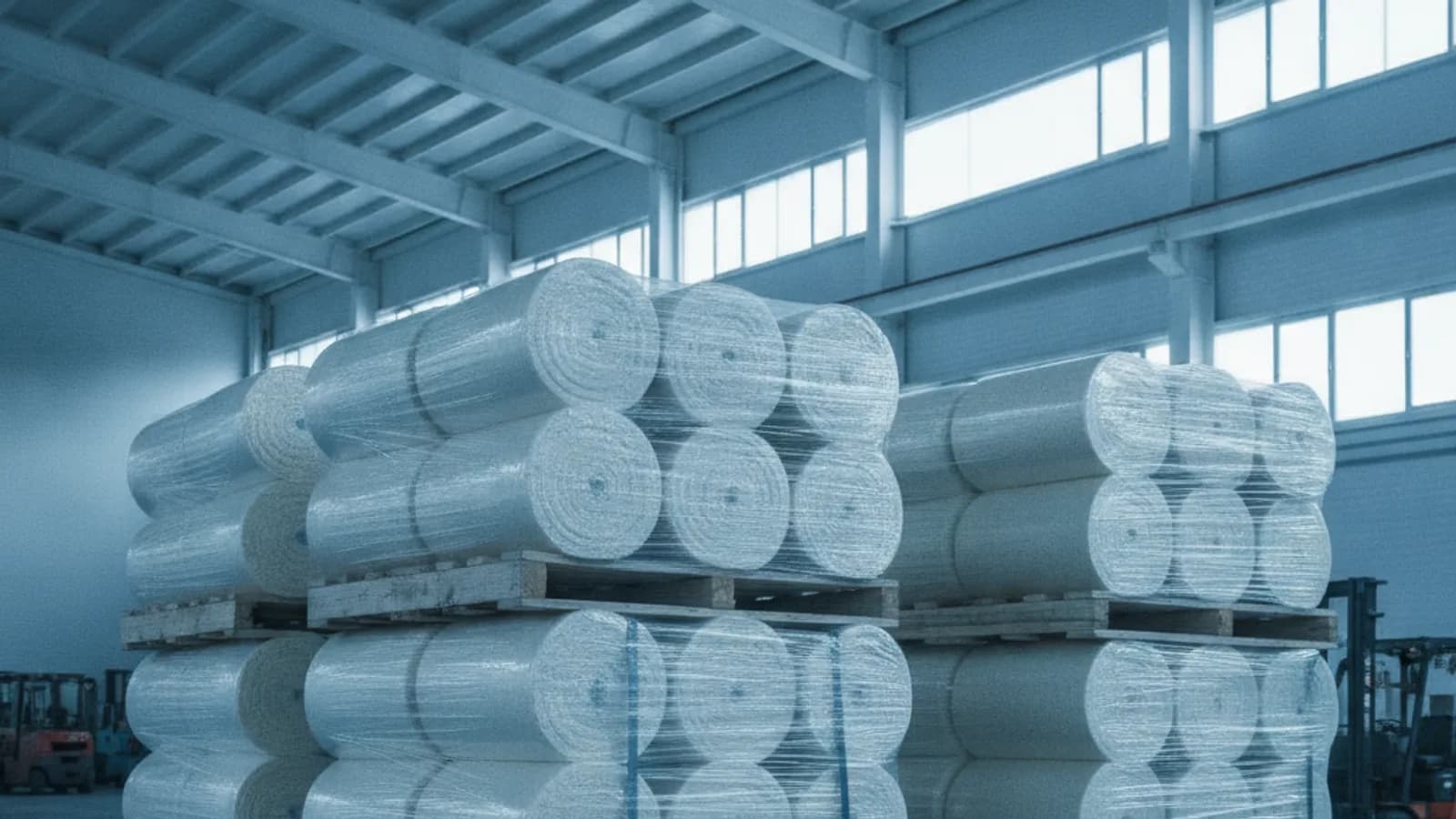
In storage terms foam is a grateful material - it doesn't spoil, doesn't corrode and has no classic expiry date. But three things measurably harm it.
Compression for transport
Sheets and rolls are often compressed for transport - legitimate, and it saves considerable space. The rules:
- The compressed state should last weeks, not months - over-long compression leaves permanent deformation, especially at low densities.
- After unpacking, foam needs 24–72 hours to regain full height and properties; do not install it before that.
- Viscoelastic foams recover more slowly than conventional ones - plan a longer rest time.
Light and yellowing
Polyurethane foam yellows under UV light. Two things matter:
- Yellowing is a surface, cosmetic effect - mechanical properties remain practically unchanged.
- For products where the foam is visible (filters, linings, decorative elements), store it in opaque packaging away from windows.
Moisture and temperature
- The warehouse should be dry and ventilated; foam absorbs moisture from the air and releases it slowly.
- Extreme temperatures are not a problem for the foam itself, but they change processing behaviour - a cold block cuts differently from a room-temperature one.
- Stack blocks and sheets on a flat base; resting on edges leaves an imprint.
Recommendation for customers
Order at the pace you install - foam sitting compressed in a warehouse corner for months loses exactly the properties you paid for. For recurring needs, arrange successive deliveries.
Have a specific case?
Send dimensions, quantity and intended use - we propose a foam grade and send a quote or sample.
Send an inquiry